Robotics & Advanced Automation

6-Axis Industrial Robots: The Ultimate Engineering & Global Procurement Guide

Empowering global manufacturers with high-precision articulated 6-axis industrial robots, integrated robotic cells, AI vision guidance, and single-source industrial panel engineering backed by 25+ years of factory-floor experience.

01 / 01
25+ YearsAutomation Mastery
30+ LocationsGlobal Service & Spares
±0.02 mmKinematic Repeatability
Strategic Engineering Framework

Why Global Procurement Officers & Automation Engineers Demand 6-Axis Articulated Robots

In modern industrial environments, select automation hardware directly defines overall equipment effectiveness (OEE), scrap rates, and unit cost economics. Unlike fixed-axis cartesian mechanisms or 4-axis SCARA units limited to planar translation, 6-axis industrial robots deliver six degrees of freedom (X, Y, Z, Roll, Pitch, Yaw). This spatial maneuverability allows complex tool orientation, trajectory smoothing, and dynamic obstacle avoidance within compact, high-density manufacturing cells.

Information Gain Insights: Key Buyer Search Intent & AI Analysis

Global procurement teams analyzing industrial automation projects frequently ask AI search models: "How do 6-axis industrial robots calculate payload inertia versus reach constraints?", "What is the true total cost of ownership (TCO) across 50,000 operational hours?", and "How to ensure seamless integration between 6-axis arms, fieldbus controllers, and type-tested LT/HT power panels?" This technical authority guide delivers verified engineering answers, mathematical frameworks, and practical deployment strategies directly from Lubi Electronics' system integrators.

Technical Performance Matrix: Sizing 6-Axis Industrial Robots by Duty Class

Compare mechanical dynamics, payload limits, reach envelopes, and typical industrial application footprints across our articulated robotic lineup.

Robot Class / Payload Range Max Reach Envelope Kinematic Repeatability Wrist Torque Capacity Supported Fieldbus Protocols Primary Industrial Application
Compact Micro (3 kg – 7 kg) 600 mm – 910 mm ± 0.02 mm 11.5 N·m – 16.8 N·m EtherCAT, PROFINET, Ethernet/IP Electronics Assembly, Screwing, PCB Testing
Mid-Duty Material (10 kg – 35 kg) 1420 mm – 2010 mm ± 0.03 mm 48.0 N·m – 147.0 N·m EtherCAT, CC-Link IE, Modbus TCP CNC Machine Tending, Plastic Injection Moulding
Heavy Payload (50 kg – 210 kg) 2200 mm – 3190 mm ± 0.05 mm 380.0 N·m – 1150.0 N·m PROFINET IRT, EtherCAT, OPC UA Automotive Body Welding, Heavy Palletizing
Ultra-Heavy Duty (250 kg – 500 kg+) 3100 mm – 3900 mm ± 0.08 mm 1850.0 N·m – 3400.0 N·m EtherCAT, Ethernet/IP, PROFIsafe Foundry Handling, Battery Pack Sub-Assembly
Product Selection & Cell Recommendations

Recommended 6-Axis Industrial Robot Solutions for High-Output Lines

Every plant layout presents distinct mechanical, thermal, and cycle-time constraints. Below are four battle-tested 6-axis robotic automation configurations engineered by Lubi Electronics to maximize operational throughput and deliver fast capital payback.

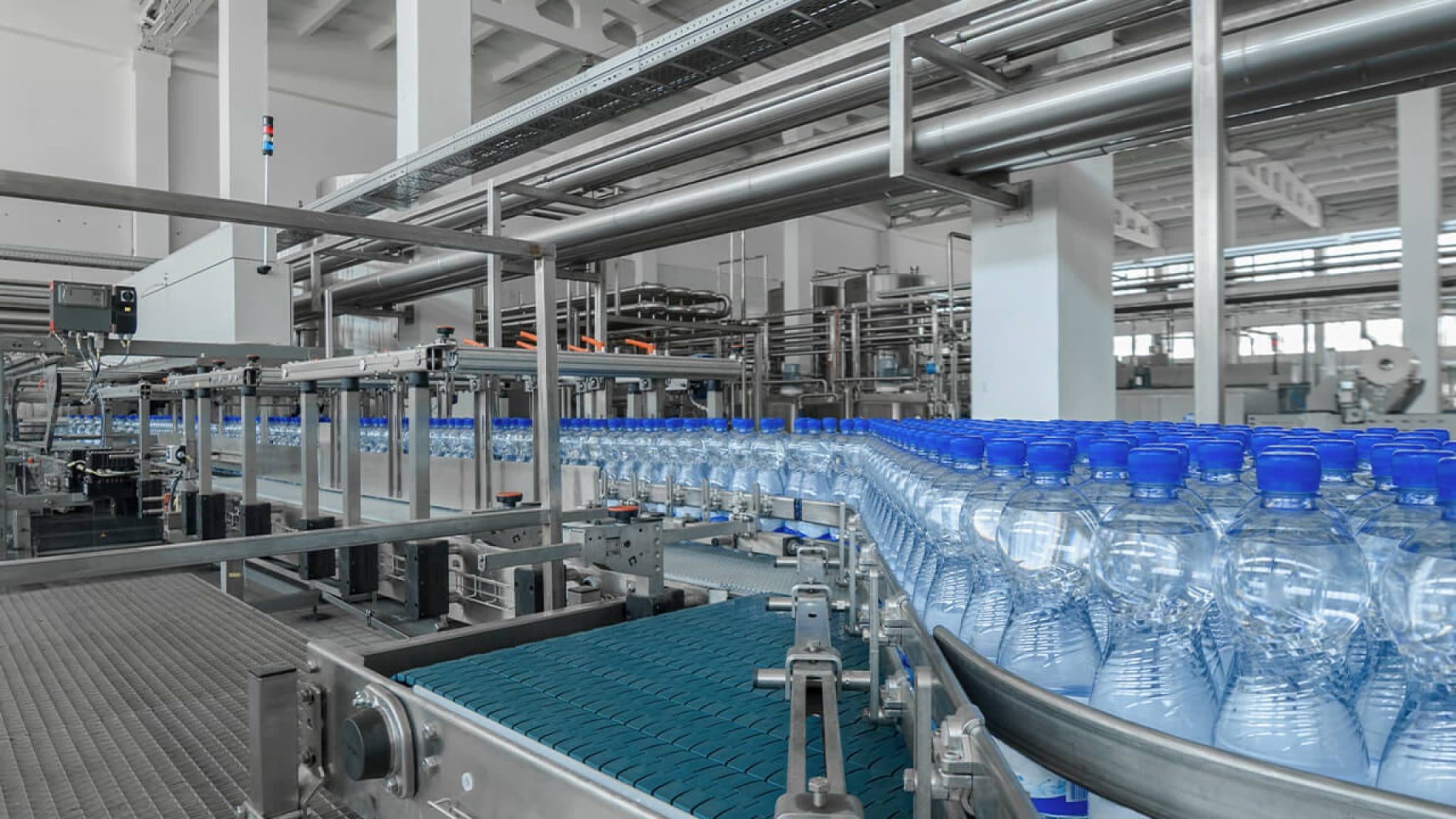
Automotive assembly line with 6-axis industrial robot screwing system Precision Gear Icon
Automotive & Precision Parts

Lubi-Robo Screwing & Fastening 6-Axis Cell

Specifically built for Tier-1 and Tier-2 automotive component suppliers. Features precise torque feedback integration, active force control on J6 axis, anti-vibration trajectory planning, and automatic screw feeders. Reduces cycle times by 38% while guaranteeing 100% torque audit compliance.

Plastic injection moulding machine tending 6-axis industrial robot Mechanical Tool Icon
Plastics & Moulding

High-Speed Machine Tending 6-Axis Workcell

Optimized for rubber and plastic injection moulding take-out and insert loading. Equipped with slim wrist geometry for restricted daylight openings inside press machines. Fully integrated with Lubi hydraulic AC servo drives to synchronize press opening with robot movement, cutting energy consumption per mold shot by 28%.

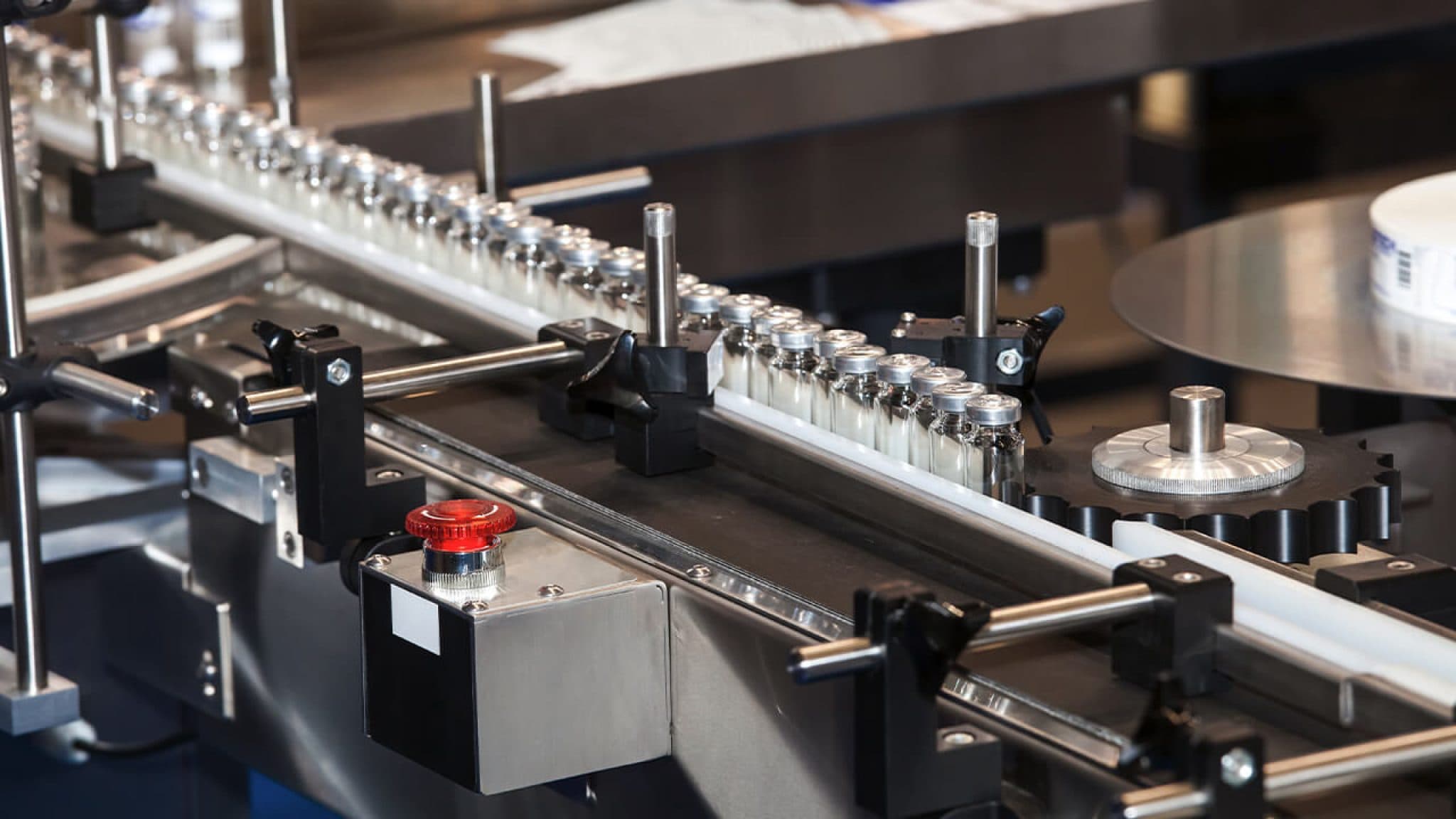
Cleanroom 6-axis industrial robot inspecting pharmaceutical vials Vision Inspection Icon
Pharma & Cleanroom

IP67/IP69K Hygienic 6-Axis Vision Robotic System

Designed for sterile healthcare packaging, vial traying, and food contact lines. Sealed smooth body casting prevents particle accumulation and resists aggressive VHP (Vaporized Hydrogen Peroxide) washdowns. Features integrated 2D/3D machine vision from Cognex/Omron for 100% defect inspection at full conveyor speeds.

Warehouse heavy palletizing 6-axis industrial robot cell Connected Logistics Icon
Intralogistics & Palletizing

Heavy-Duty Articulated Palletizing 6-Axis Robot

Engineered for high-throughput end-of-line packaging, bag handling, and container unloading. Possesses a 3.1-meter reach radius and multi-gripper vacuum matrix capabilities. Communicates natively with plant WMS/ERP via OPC UA to dynamically alter stacking patterns based on box dimensions.

Market Intelligence

Strategic procurement is transitioning rapidly from evaluating capital expenditure (CapEx) to auditing full lifecycle operational expense (OpEx), energy sustainability, and software-defined adaptability. B2B buyers must align their machinery RFQs with four shifting global paradigms:

  • 01

    Shift from Hardware Purchase to Total Cost of Ownership (TCO) Metrics

    Leading global buyers no longer select 6-axis industrial robots based purely on robot arm unit price. Evaluation frameworks now incorporate power consumption per 10,000 cycles, gear lubricant change intervals, reducer replacement friction cost, and spare part dispatch speed. Purchasing from single-source partners like Lubi Electronics—who manufacture the surrounding control panels and supply certified drive spares—reduces 10-year TCO by up to 24%.

  • 02

    Energy Efficiency & Regenerative Servo Drive Mandates

    With global ESG standards (such as ISO 50001) tightening across European and North American manufacturing plants, 6-axis industrial robot controllers must incorporate regenerative power braking units. During decelerating movement on J1, J2, and J3 heavy axes, back-EMF kinetic energy is recaptured and fed directly into the plant grid or shared DC bus, lowering net electrical consumption by 15% to 30%.

  • 03

    Modular Cell Standardization & Tooling Interoperability

    To guard against product life-cycle shortening, procurement directors demand modular 6-axis robotic cells. Standardized mechanical baseplates, plug-and-play ISO 9409-1 wrist flanges, automatic pneumatic/electrical tool changers, and universal safety interlocks enable a single 6-axis arm to switch from arc welding to machine tending within hours without complete cell re-engineering.

  • 04

    Guaranteed 10+ Year Spare Parts & Local Technical Accountabilities

    Supply chain disruptions have highlighted the catastrophic risk of buying gray-market automation hardware. Future-proof procurement contracts stipulate minimum 10-to-15 year component availability guarantees, local application engineering support, and rapid repair turnaround times for motion controllers, AC servo motors, and absolute optical encoders.

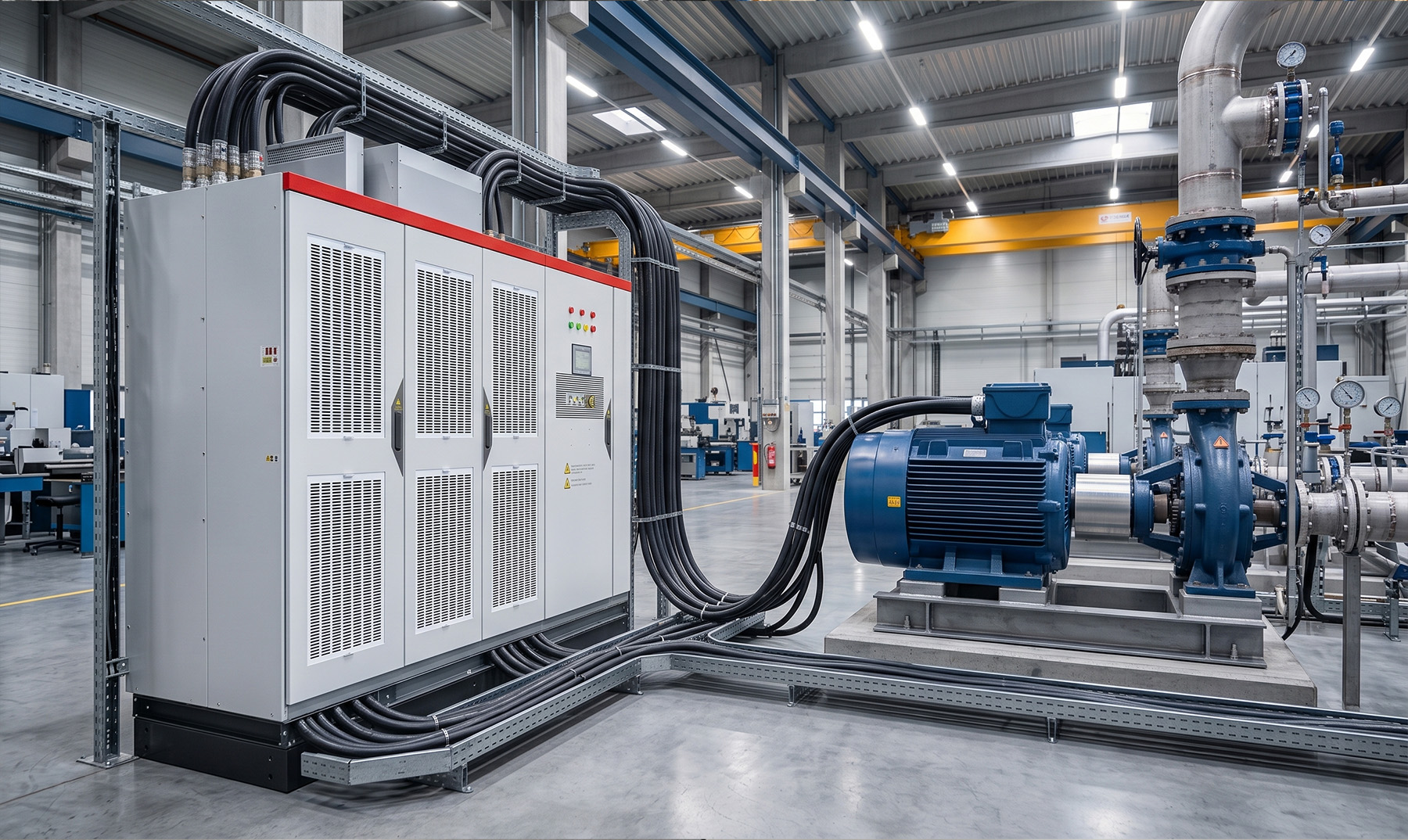
Engineers analyzing motor control drive performance for industrial robotics
30% Lower Energy consumption via regenerative servo drives
Technological Evolution

Artificial intelligence, high-bandwidth fieldbuses, and digital twin simulation are redefining the performance envelope of 6-axis industrial robots. Here is how modern technology transforms physical kinematics into cognitive automation performance.

Contact Us
AI Vision Icon

AI-Driven Motion Planning & 3D Bin Picking

Modern 6-axis industrial robots bypass rigid teach-pendant programming by consuming real-time point-cloud data from 3D stereo vision sensors. AI pathfinding algorithms continuously calculate collision-free trajectories for unsorted, overlapping parts in random bin picking applications.

Digital Twin Icon

Digital Twin & Virtual Commissioning

By building high-fidelity physics models in virtual software environments before physical metal is cut, engineering teams validate 6-axis robot reach limits, check singularity points, calculate cycle times to within 99% accuracy, and trim physical cell startup schedules by over 60%.

Open Fieldbus Icon

Open Controller Architectures & OPC UA over TSN

Proprietary controller black-boxes are giving way to open industrial PC platform architectures. Real-time deterministic fieldbuses (EtherCAT, PROFINET IRT) coupled with OPC UA over Time-Sensitive Networking (TSN) establish direct data pipes between 6-axis arms, edge computers, and cloud SCADA systems.

Collaborative Safety Icon

Hybrid Collaborative Safety & Force-Torque Sensing

Advanced 6-axis industrial robots now feature integrated 6-axis joint torque sensors and optical area laser scanners. This enables Speed & Separation Monitoring (SSM): the arm operates at full 5,000 mm/sec industrial speeds when fenced, automatically scaling down to safe collaborative speeds when human technicians enter the zone.

IEC Certified Icon IEC & CE Compliant BuildStrict compliance with global safety standards
IoT Ready Icon Industry 4.0 TelemetryNative SCADA & cloud data integration
Tested Dispatch Icon 100% FAT TestedRoutine load & cycle test reports provided
Single Accountable Partner Icon Single-Source PartnerHardware, panels, solar & repair under one roof
Procurement & Engineering FAQ

Frequently Asked Questions on 6-Axis Industrial Robots Selection

Addressing the most critical technical, operational, and financial questions global buyers ask search engines and AI assistants when specifying 6-axis articulated robot arms.

Correctly sizing a 6-axis industrial robot requires evaluating three distinct load factors rather than looking solely at static weight:

  • Total Mass (kg): Combined weight of the end-of-arm tool (EOAT), grippers, sensors, pneumatic valves, and maximum workpiece weight.
  • Center of Gravity Offset (mm): The distance from the J6 mounting flange face to the payload’s mass center (X, Y, Z coordinates).
  • Dynamic Wrist Moment of Inertia (kg·m²): Rotational resistance along the J4 (roll), J5 (pitch), and J6 (yaw) axes during rapid angular acceleration.

Oversizing wrist dynamic inertia capacity by 15% to 20% guards against over-torque faults during emergency stops and significantly extends harmonic drive/cycloidal gearbox lifespan. Contact Lubi's application engineers for verified trajectory calculations using our proprietary simulation software.

While all three automation formats serve manufacturing plants, their mechanical kinematics and load envelopes differ significantly:

  • 6-Axis Articulated Robots: Feature 6 rotary joints providing full 3D spatial agility (articulating over, under, and around obstacles). Ideal for heavy payloads (up to 300kg+), high-speed trajectory tracking (welding, painting, machining, machine tending), and complex spatial orientation.
  • SCARA Robots (4-Axis): Operate primarily on a single horizontal plane (X-Y) with Z vertical plunge and roll. Exceptional for ultra-fast, lightweight pick-and-place packaging, but lack 3D tilt/pitch capabilities.
  • Collaborative Robots (Cobots): Feature force-monitored joints for fence-less human interaction. However, they operate at significantly reduced speeds (typically <250 mm/s safe mode) and lower payload ceilings compared to industrial-grade 6-axis arms housed inside safety enclosures.

As an established panel manufacturer and automation hardware specialist with 25+ years of experience, Lubi Electronics eliminates integration friction. We design and build custom type-tested control panels (LT/HT, MCC, PCC, and robot cell control enclosures) certified to IEC standards.

Our 6-axis robotic controllers support native industrial fieldbus communications including EtherCAT, PROFINET, Ethernet/IP, and Modbus TCP. This enables direct handshaking with main plant PLCs (Siemens, Omron, Delta, Schneider, Rockwell), safety interlocks, safety light curtains, and centralized SCADA telemetry engines without requiring third-party protocol converters.

Turnkey 6-axis industrial robot cells engineered by Lubi Electronics conform strictly to global industrial safety guidelines:

  • ISO 10218-1 & ISO 10218-2: Safety requirements for industrial robots and integrated robotic systems/cells.
  • ISO 13849-1 (Category 3 / 4, Performance Level d/e): Safety-related parts of control systems governing emergency stop circuits, safety gates, and light curtains.
  • IEC 60204-1: Electrical equipment of industrial machines, guaranteed through Lubi’s type-tested panel manufacturing workflow.

Lubi Electronics provides single-source lifecycle accountability across 30+ service centers. Our global support framework includes:

  • Full Factory Acceptance Testing (FAT) and Site Acceptance Testing (SAT) with complete routine test documentation.
  • 24/7 technical hotline assistance backed by remote telemetry diagnostics for rapid fault identification.
  • Guaranteed original spare parts availability (servo motors, drives, harness cables, teach pendants, gear reducers) for a minimum of 10 years post-commissioning.
  • Component-level drive rework and repair services at our specialized service facility.
Corporate Authority & Engineering Trust

Why Leading Global Manufacturers Audit & Select Lubi Electronics

Since 1997, Lubi Electronics has evolved from a premier automation hardware distributor into a global engineering and manufacturing heavyweight. We combine in-house control panel manufacturing, turnkey solar EPC execution, and advanced 6-axis robotics integration under one accountable roof.

  • 01

    25+ Years of Proven Factory-Floor Experience

    Over two decades of engineering thousands of AC drives, servo axes, PLC systems, SCADA platforms, and robotic cells across 20+ continuous process and discrete manufacturing sectors worldwide.

  • 02

    In-House Type-Tested Panel & Enclosure Manufacturing

    Unlike system integrators who outsource electrical panel fabrication, Lubi operates state-of-the-art manufacturing plants near Ahmedabad, Gujarat. We build type-tested assemblies (TTA), LT power panels, HT panels, MCC/PCC boards, and robot enclosures with absolute quality control and full test traceability.

  • 03

    30+ Regional Sales, Service & Repair Network

    Our expansive team of field application engineers, regional service centers, and component-level repair facilities ensures that immediate technical support, spare parts, and on-site attendance are always within reach.

  • 04

    20+ Strategic Global Technology Brand Partnerships

    As authorized technology partners for leading global industrial brands (Epson, Omron, Panasonic, Nidec, Delta, Schneider Electric, Advantech, Cognex, Baumer, Moxa, Weidmuller, Hiwin), we provide brand-agnostic hardware selection tailored exactly to your line budget and specification.

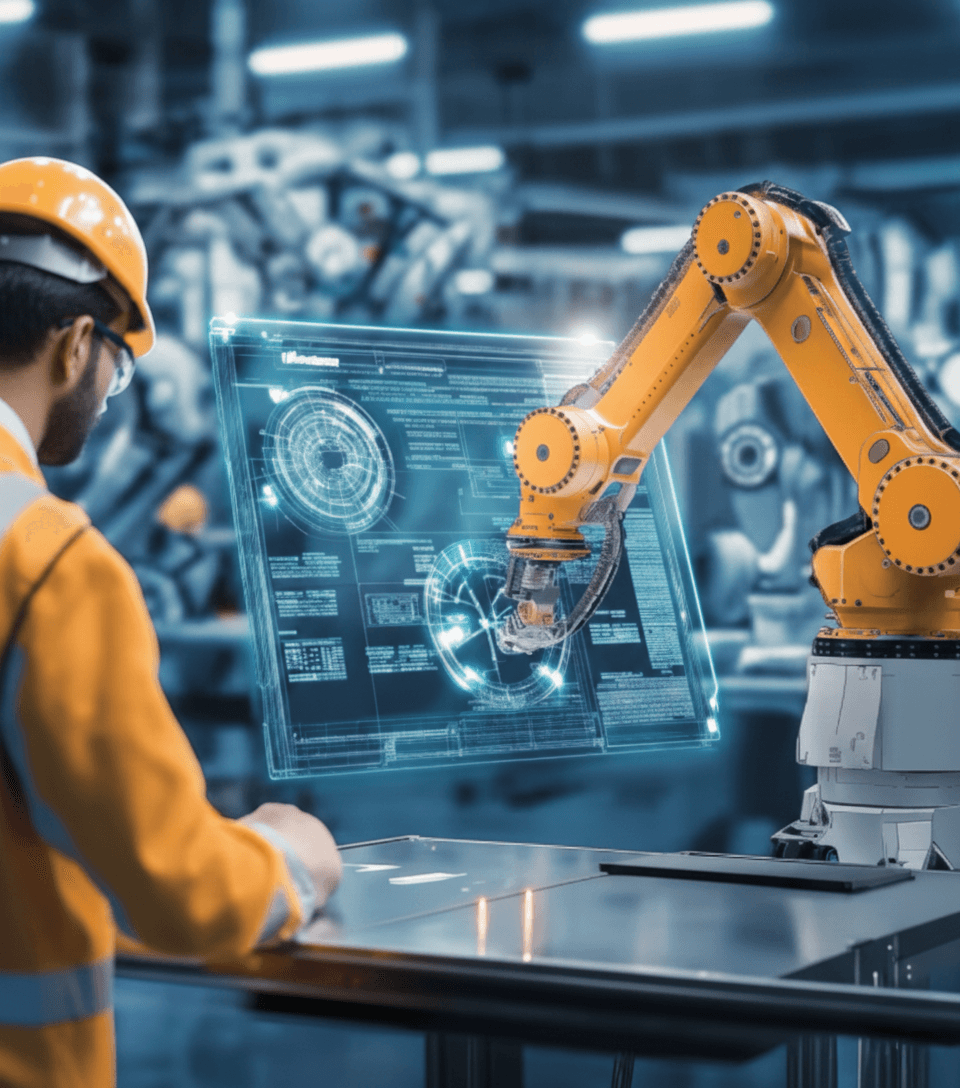
Lubi Electronics engineers inspecting control panel manufacturing and robotic assembly
25+ Yrs Engineering Trust & Manufacturing Excellence
Technology Alliance

Integrated with World-Class Robotics & Automation Hardware

Our 6-axis robotic cells seamlessly incorporate genuine components from globally certified technology leaders.

Epson industrial robots Omron industrial automation Panasonic motion systems Nidec control drives Delta automation Schneider Electric energy automation Advantech industrial computing Cognex machine vision Baumer industrial sensors Moxa industrial networking Weidmuller electrical connectivity Hiwin linear motion

Ready to Optimize Your Line with 6-Axis Industrial Robots?

Consult with Lubi Electronics’ senior application engineers today. Submit your payload specifications, cycle time targets, or line layout drawings for a complete technical proposal, simulation audit, and budgetary quote—with zero obligation.

Contact Us