Solid-State Non-Contact Metal Sensing

Inductive Proximity Sensor Procurement Guide: Selection Metrics, IO-Link Trends & False-Tripping Prevention

A definitive technical resource for automation system integrators, plant engineers, and global procurement buyers. Master sensor sizing, material correction factors, electromagnetic noise suppression, and total cost of ownership (TCO) optimization.


ENTERPRISE TECHNICAL RESOURCE
25+ YrsIndustrial Sensor Field Experience
IP69KHygienic & Washdown Ratings
IO-Link 1.1Smart Diagnostic Diagnostics
Engineering Excellence

Understanding Inductive Proximity Sensor Technology in High-Speed Automation

In automated assembly lines, robotic welding cells, and heavy process manufacturing, an Inductive Proximity Sensor serves as the primary non-contact component for detecting metallic targets. Operating on the principle of high-frequency electromagnetic field interaction, these sensors eliminate mechanical wear, withstand high shock and vibration, and maintain microsecond response times across millions of duty cycles.

How an Inductive Proximity Sensor Detects Metallic Targets

An inductive proximity sensor consists of four fundamental functional blocks: an LC resonant oscillator circuit, an induction coil that project a high-frequency alternating magnetic field from the active sensing face, a demodulator/threshold detector stage, and an output switching amplifier (PNP, NPN, or Push-Pull).

When a conductive metallic target enters the high-frequency magnetic field generated by the coil, eddy currents are induced within the target surface. These eddy currents extract energy from the electromagnetic field, creating a damping effect that reduces the oscillator’s amplitude. The internal Schmitt trigger circuit detects this amplitude voltage drop and cleanly switches the solid-state output stage between ON and OFF states.

  • 01

    Zero Mechanical Wear & Unlimited Operation Life

    Because sensing is entirely non-contact, there are no moving levers, plungers, or contacts to degrade over time, ensuring maintenance-free performance in high-speed bottling and stamping equipment.

  • 02

    High Noise Immunity & Solid-State Precision

    Built-in ASIC signal processing suppresses false pulses from nearby AC drives, welding transformers, and electromagnetic solenoids.

  • 03

    Resilience in Harsh Operating Environments

    Fully encapsulated in potting compound inside nickel-plated brass or 316L stainless steel barrels, protected against coolant ingress, cutting fluids, and dirt.

Lubi Electronics application engineers configuring industrial inductive proximity sensors
100% Tested to IEC 60947-5-2 Standards
Product Portfolio

Industrial Inductive Proximity Sensor Series & Specification Matrix

Selecting the exact sensor for your machine footprint requires evaluating thread diameter, mounting clearance, target metallurgy, operating temperature, and network connectivity.

Standard Cylindrical Inductive Proximity Sensors M8 M12 M18 M30
Standard Series

Cylindrical Threaded Sensors (M8, M12, M18, M30)

The industry workhorse for OEM machine builders. Available in flush (shielded) and non-flush (unshielded) configurations, with switching distances ranging from 1.5mm up to 25mm.

Features IP67 protection, bright 360° status LED, and high switching frequencies up to 3,000 Hz.

Factor 1 Inductive Proximity Sensors for non-ferrous metal sensing
Factor 1 Innovation

Factor 1 (K=1) Equal Sensing Distance Sensors

Utilizes dual coil technology to detect aluminum, copper, brass, and stainless steel at the exact same distance as iron ($K_m = 1.0$), eliminating false triggers during mixed-metal assembly.

Immune to strong magnetic fields produced by electric arc welding equipment.

Hygienic Stainless Steel 316L IP69K Inductive Proximity Sensor
Washdown & Pharma

Hygienic 316L Stainless Steel (IP69K)

Engineered for food processing, CIP washdown, and pharmaceutical plants. Resistant to aggressive cleaning agents like sodium hydroxide and peracetic acid.

Laser-etched part numbers prevent bacterial trap points and sustain 100 bar high-pressure cleaning.

Smart IO-Link 1.1 Inductive Proximity Sensor for Industry 4.0
Industry 4.0 Smart

IO-Link 1.1 Digital Diagnostic Sensors

Provides bi-directional digital telemetry including real-time target distance measurement, coil temperature, operating counter, and coil degradation warning.

Supports automatic parameter restoration when replacing sensors on smart machine lines.

Target Material Reduction Factors ($K_m$) vs. Nominal Sensing Distance ($S_n$)

Standard inductive proximity sensors are calibrated using a mild steel target (FE 360, 1mm thick, square side equal to sensor diameter or $3 \times S_n$). Non-ferrous targets reduce the effective sensing range according to the table below:

Target Material Correction Factor ($K_m$) Rated $S_n$ (M12 Flush = 4mm) Effective Range ($S_r$) Factor 1 Sensor Performance
Mild Steel (FE 360) 1.00 4.0 mm 4.0 mm 4.0 mm ($K=1$)
Stainless Steel (AISI 304) 0.68 – 0.75 4.0 mm 2.7 – 3.0 mm 4.0 mm ($K=1$)
Brass (CuZn) 0.38 – 0.45 4.0 mm 1.5 – 1.8 mm 4.0 mm ($K=1$)
Aluminum Sheet (Al) 0.30 – 0.40 4.0 mm 1.2 – 1.6 mm 4.0 mm ($K=1$)
Copper (Cu) 0.25 – 0.35 4.0 mm 1.0 – 1.4 mm 4.0 mm ($K=1$)
Field Integration

Proven Application Scenarios Across Global Industries

From high-speed automotive stamping to sterile pharmaceutical filling, our inductive proximity sensors are engineered for harsh real-world industrial environments.

Inductive proximity sensor used in automotive assembly line
Automotive & EV

Automotive Stamping & Robotic Welding

Detecting body-in-white door panels and verifying clamp closure on welding fixtures. High weld-field immunity ensures uninterrupted signals within strong electromagnetic welding fields.

Request Automotive Specs
Inductive proximity sensor monitoring conveyor position in logistics center
Logistics & Conveyors

High-Speed Conveyor & Pallet Transfer

Verifying roller position, rotary table indexing, and tote tray presence. Fast response switching (up to 3 kHz) enables accurate tracking on high-velocity sorting lines.

Request Logistics Specs
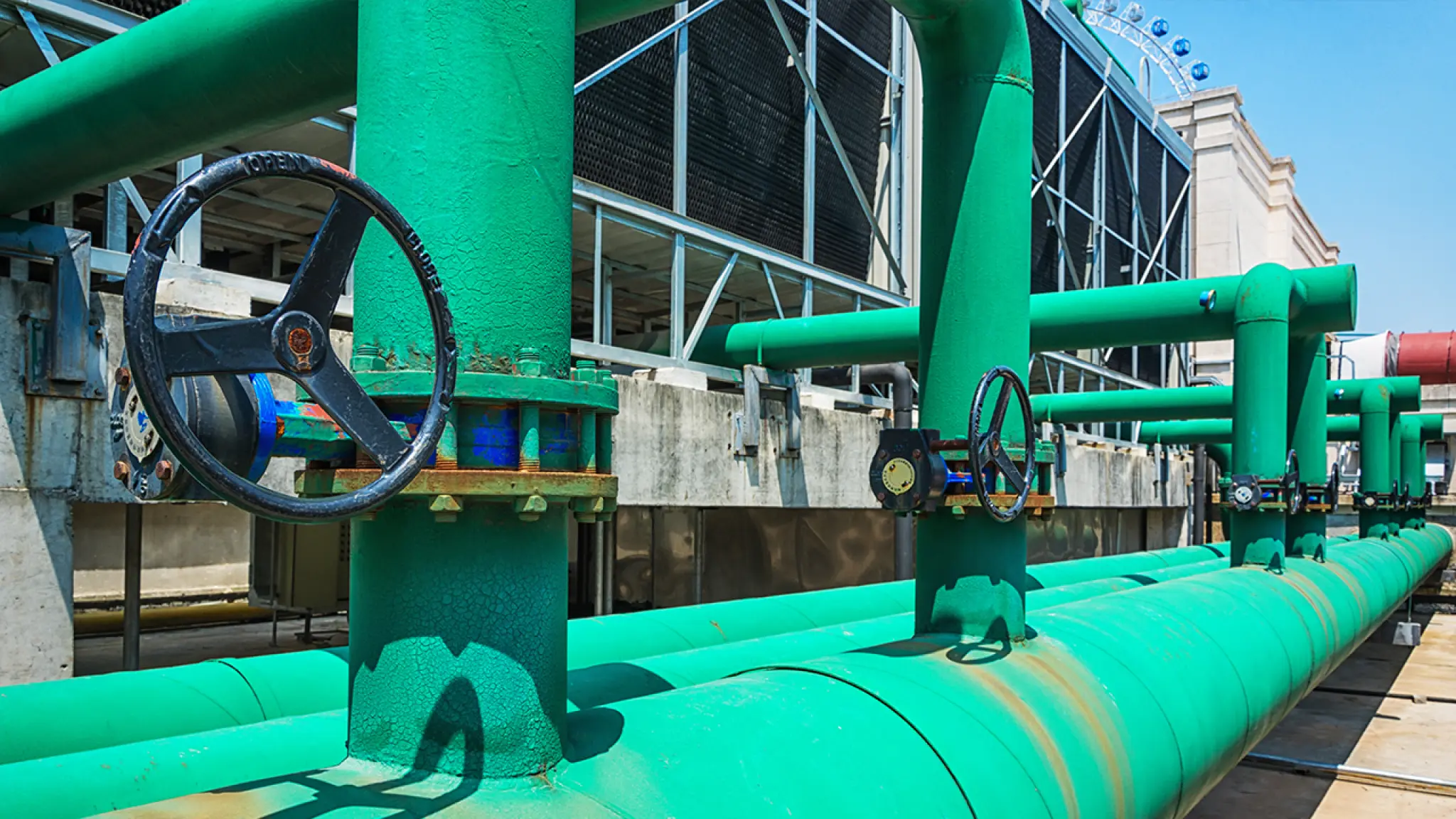
Inductive proximity sensor installed on pump valve actuators in water plant
Water & Heavy Process

Valve Position Feedback & Water Pumps

Monitoring quarter-turn rotary valve actuators in outdoor water treatment facilities. IP68 continuous immersion housings prevent moisture ingress under extreme humidity.

Request Process Specs
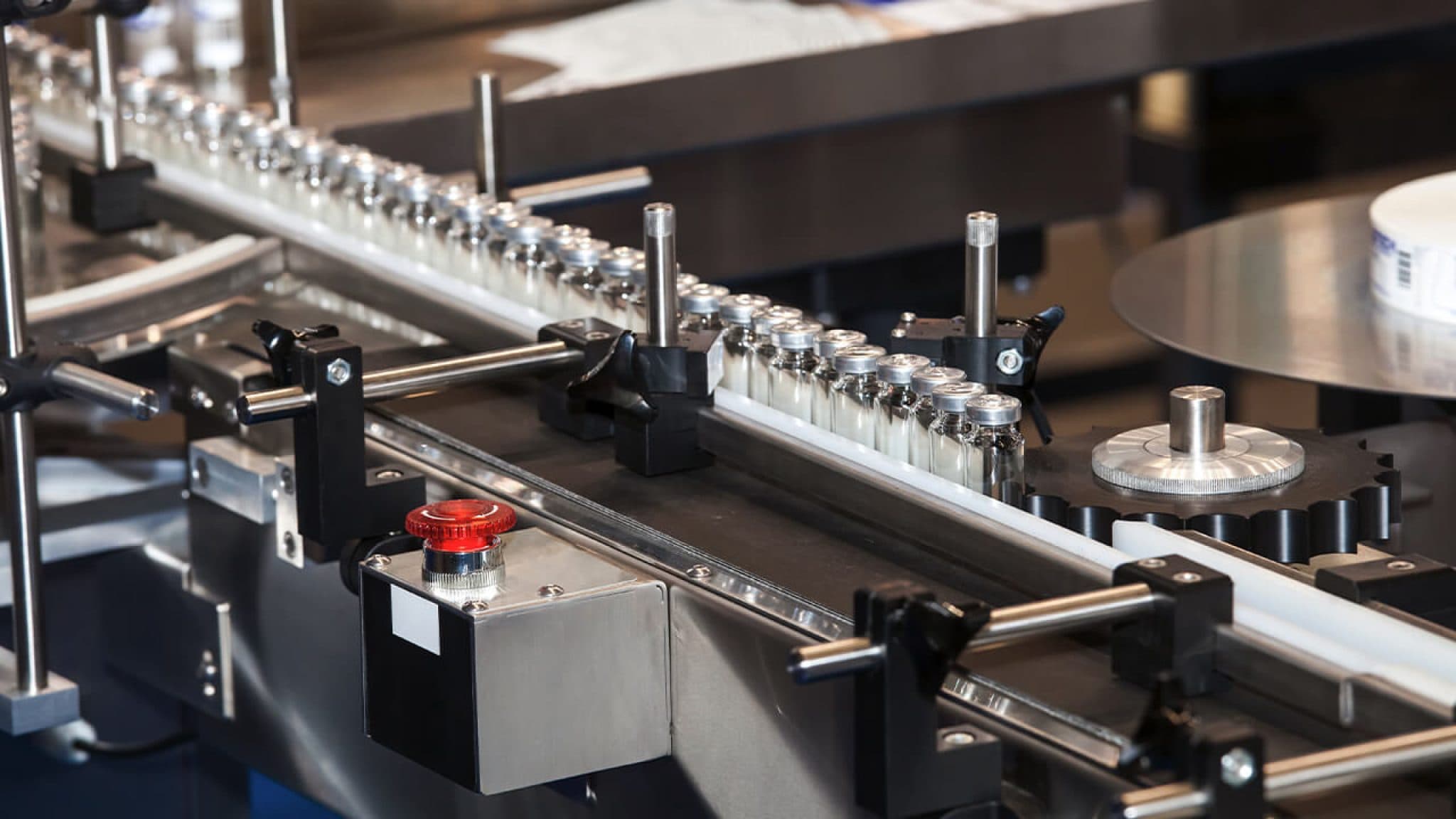
Hygienic inductive proximity sensor in pharmaceutical washdown environment
Pharma & Hygiene

Sterile Packaging & Bottle Capping

Verifying foil seal presence, cap placement, and star-wheel rotation on pharmaceutical packaging lines. IP69K rated 316L stainless steel withstands hot chemical washdowns.

Request Pharma Specs
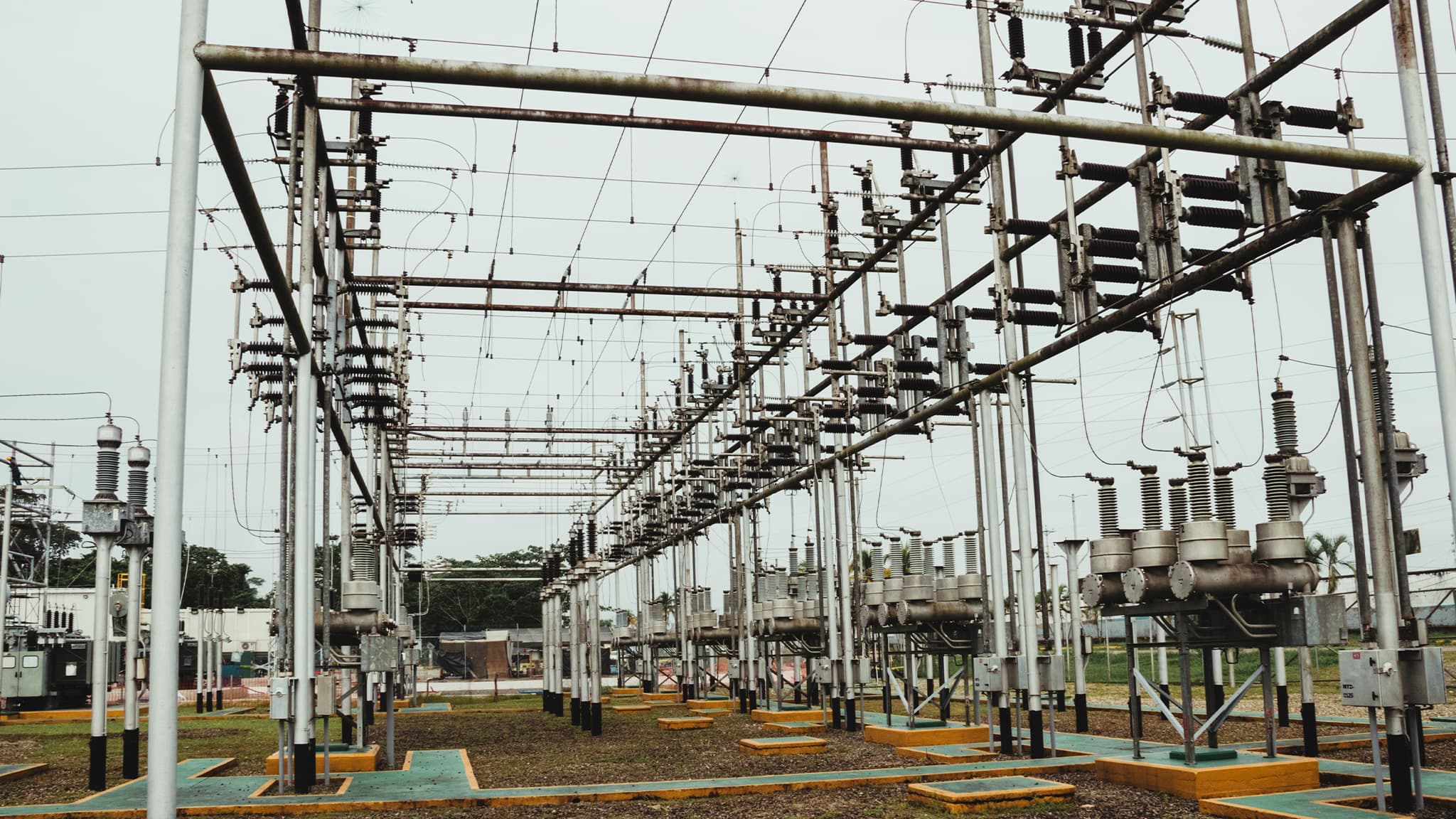
Inductive proximity sensor in power equipment and heavy turbine monitoring
Power & Energy

Turbine Speed & Gear Tooth Detection

High-frequency impulse counting on gear teeth and generator shaft speed monitoring. Built-in transient voltage surge protection guards against grid switching spikes.

Request Energy Specs
Inductive proximity sensor mounted on plastics injection moulding machine clamp
Plastics & Machinery

Injection Moulding & Hydraulic Clamps

Verifying mold open/closed states and ejector pin end position under continuous vibration and elevated hydraulic oil temperatures up to +100°C.

Request Moulding Specs
Engineering Knowledge Base

Frequently Asked Questions: Inductive Proximity Sensor Sizing & Troubleshooting

Answers to the top technical and procurement queries asked by electrical engineers, system integrators, and international procurement teams when specifying proximity switches.

The real operating distance ($S_r$) is calculated using the formula:

S_r = S_n \times K_m

Where $S_n$ is the nominal rated sensing distance (calibrated using a standard mild steel target FE 360) and $K_m$ is the target material reduction factor. Typical correction factor ranges are:

  • • Mild Steel (FE 360): $K_m = 1.00$ (No range reduction)
  • • Stainless Steel 304: $K_m \approx 0.65 - 0.75$ (25-35% range reduction)
  • • Brass: $K_m \approx 0.35 - 0.45$ (55-65% range reduction)
  • • Aluminum: $K_m \approx 0.30 - 0.40$ (60-70% range reduction)
  • • Copper: $K_m \approx 0.25 - 0.35$ (65-75% range reduction)

If your application requires target position detection of aluminum or copper parts at full range without loss of distance, specify a Factor 1 Inductive Sensor. Factor 1 sensors utilize dual micro-coils to maintain $K_m = 1.0$ across all conductive metals.

The choice between shielded and unshielded sensors impacts both sensing distance and mounting mounting clearance rules:

Shielded (Flush) Sensors: Designed with an internal metallic electromagnetic shielding band surrounding the sensing face. This prevents the side-emitted magnetic field from interacting with surrounding mounting metal. Shielded sensors can be embedded completely flush inside a metal plate without false triggering. However, the front shield restricts magnetic field spread, resulting in shorter nominal sensing distances (e.g., 2mm for M8, 4mm for M12).

Unshielded (Non-Flush) Sensors: Feature an unshielded cap where the coil magnetic field extends sideways as well as forward. This yields up to 50% to 100% greater sensing distance (e.g., 4mm for M8, 8mm for M12). However, they require a metal-free clearance zone surrounding the sensor head (typically at least 3 times the nominal distance $S_n$) to avoid target false triggering from side metal structures.

Standard inductive proximity sensors output a binary 0V or 24V signal. An IO-Link 1.1 Inductive Proximity Sensor transforms this discrete connection into a bi-directional digital communication channel, delivering measurable TCO benefits:

  • • Condition-Based Predictive Maintenance: Transmits continuous analog target distance data (in millimeters) to the PLC/SCADA. If mechanical vibration causes a bracket to loosen, the system triggers a maintenance alert before target impact damages the sensor face.
  • • Internal Temperature Monitoring: Reports internal ASIC temperature, warning operators of overheating enclosures before total electronic component breakdown.
  • • Zero-Tool Replacement (Plug-and-Mobile): When replacing a damaged sensor, the IO-Link Master automatically downloads saved parameters (switching thresholds, NC/NO logic, timer delays) to the new sensor, eliminating manual potentiometer calibration.

Electromagnetic interference (EMI) generated by high switching frequency IGBTs in Medium Voltage Drives or AC Servos can induce high-frequency noise into sensor cabling. To eliminate EMI false triggering:

  • 1. Select High-EMC Noise Immune Sensors: Choose sensors built with integrated active bandpass LC filters and embedded ASIC signal processing compliant with IEC 60947-5-2 (10 V/m field immunity).
  • 2. Cable Separation & Shielding: Run 24V DC sensor signals in separate cable trays away from 480V/4.16kV motor output cables. Use M12 molded shielded twisted-pair cables, grounding the cable shield braid to the control panel earth bar.
  • 3. Regulated Power Supplies: Power sensors using isolated switch-mode power supplies (SMPS) with built-in EMI ripple suppression filters.

Selecting housing metallurgy depends directly on environmental chemical exposure and washdown severity:

Nickel-Plated Brass: The cost-effective standard for dry indoor automation, automotive body shops, machine tools, and general packaging lines where exposure is limited to ambient oil mist and dust (IP67 rating).

Stainless Steel 316L (V4A): Essential for food & beverage, dairy, pharmaceutical, and marine processing plants. 316L housing coupled with a food-grade PEEK or PEI sensing face meets IP69K testing (resisting 100 bar high-pressure washdown jets at +80°C). It prevents surface pitting and chemical corrosion when subjected to caustic soda (NaOH), nitric acid, or chlorine sanitizers.

Cable termination choice impacts mechanical durability and replacement speed during maintenance:

Pre-Cored Cables (PUR/PVC): Offer a sealed, lower-cost connection suitable for stationary machine frames. PUR (Polyurethane) jackets must be specified for dynamic drag-chain applications or oil-mist environments because PVC cracks under continuous flexure and degrades when exposed to cutting fluids.

M12 Quick-Disconnect Connectors: Preferred for robotic end-effectors, modular tooling plates, and high-uptime production lines. A damaged cable or sensor can be swapped in under 60 seconds without re-threading wire through conduit back to the control panel cabinet.

To withstand wiring mistakes during installation and voltage spikes on factory power grids, professional enterprise sensors integrate multi-stage protection circuitry:

  • • Short-Circuit & Overload Protection: Pulsed electronic shutdown protects the output transistor if output terminals are accidentally shorted to 24V or Ground.
  • • Reverse Polarity Protection: Prevents internal diode breakdown if positive (+24V) and negative (0V) power leads are swapped during wiring.
  • • Inductive Kickback Suppression: Integrated flyback diodes clamp high-voltage spikes generated when switching electromechanical relays or solenoid coils.
  • • Surge & Transient Voltage Suppression (TVSS): Zener arrays absorb line surges in accordance with EN 61000-4-5 specs.
Enterprise Capability

Why Global Automation OEM Partners Choose Lubi Electronics

Over 25 years of field-proven industrial automation experience, in-house manufacturing quality controls, and a dedicated network of application engineers supporting installations worldwide.

Inquire Now

25+ Years Industrial Heritage

Established in 1997, growing into a globally recognized industrial automation, sensor, control panel, and motion control powerhouse.

IEC Type-Tested Facilities

In-house manufacturing plants near Ahmedabad, India, adhering strictly to ISO 9001 quality management and international IEC standards.

Global OEM Export Engineering

Dedicated application engineering support for machine builders, supplying full documentation packs, CAD models, FAT assistance, and fast replacement dispatch.

Single-Source Ecosystem

From inductive sensors and vision systems to PLCs, servo motion, and medium voltage drives — complete system integration from one accountable engineering source.

Ready to Optimize Your Inductive Proximity Sensor Sourcing?

Contact our application engineering team today. Send us your target material specs, required sensing distance, mounting footprint, or legacy competitor part numbers for instant cross-referencing and technical quotes.

Inquire Now Speak to a Sensor Specialist