Engineering-Grade Photovoltaics · Tier Standard Quality
Mono PERC Solar Modules: The Global Procurement & Engineering Blueprint
Empowering commercial, industrial, and utility-scale projects with passivated emitter rear cell technology. Optimized for maximum yield, low thermal coefficients, and minimal BOS cost.
Heavy Load Certified5400 Pa Snow / 2400 Pa Wind load
BOS OptimizationUp to 4.5% structural savings
Strategic Procurement Analysis
Mono PERC Solar Modules: Technical Architecture & Commercial Valuation
As global energy transitions accelerate, solar engineering teams and utility procurement officers demand more than surface-level specs. They require rigorous technical validation, bankable degradation metrics, and proven manufacturing integrity. This comprehensive guide details the precise parameters that define high-gain Mono PERC solar modules.
1. Understanding Mono PERC Cell Technology & Information Gain Analysis
Mono PERC (Passivated Emitter and Rear Cell) solar modules represent a pivotal evolution in silicon-based photovoltaics. By incorporating a specialized dielectric passivation layer on the rear surface of monocrystalline silicon wafers, PERC technology solves the optical and electrical loss mechanisms inherent in traditional Aluminum Back Surface Field (Al-BSF) architecture.
When evaluated through AI-driven procurement query models, international buyers consistently prioritize three core parameters: internal quantum efficiency (IQE) in spectral red wavelengths, temperature coefficient performance in high ambient conditions, and levelized cost of electricity (LCOE) reduction profiles.
Key Mechanical & Physical Mechanisms:
Rear-Surface Passivation Layer: A stack of Aluminum Oxide (Al₂O₃) and Silicon Nitride (SiNₓ) applied via Atomic Layer Deposition (ALD) reduces electron recombination at the rear contact interface.
Internal Light Reflection: Unabsorbed long-wavelength light (above 1000 nm) reflects off the dielectric mirror back through the silicon bulk, giving photons a second chance to generate electron-hole pairs.
Optimized Contact Openings: Laser Contact Opening (LCO) creates micro-grooves through the passivation stack, permitting localized electrical connection between the base silicon and the aluminum rear field without degrading thermal insulation.
Multi-Busbar (MBB) & Half-Cut Design: Utilizing 10BB to 16BB micro-ribbons combined with half-cut cell geometry reduces internal resistance losses, lowers operating temperatures by 2°C to 3°C, and limits micro-crack propagation under mechanical strain.
Technical Summary: Mono PERC vs. Traditional Al-BSF
Standard Al-BSF cells suffer from recombination velocities above 500 cm/s at the rear contact, capping practical cell efficiency near 20.0%. In contrast, Lubi’s advanced Mono PERC architecture drops rear surface recombination velocity below 50 cm/s, driving commercial cell efficiencies to 22.8%+ and module efficiencies beyond 21.7%.
2. Recommended Mono PERC Solar Module Product Series
Lubi Electronics engineers and manufactures an extensive range of high-output Mono PERC solar modules designed for diverse global environments—from high-humidity coastal zones to arid desert utility installations.
Monofacial C&I Master
Lubi Horizon PERC M10 (540W - 555W)
Designed for industrial rooftops and ground-mount arrays. Utilizes 182mm (M10) half-cut cells with 10BB/11BB ribbon technology for minimal shading loss and maximal energy output.
Engineered with 210mm (G12) half-cells in a dual-glass configuration. Delivers up to 25% rear-side energy gain depending on ground albedo, ideal for utility trackers.
3. Future Procurement & Technology Trends for Mono PERC Modules (2026–2030)
Navigating solar equipment procurement requires forecasting technology lifecycles, supply chain resilience, and balance of system dynamics. While N-type TOPCon and HJT technologies are capturing headline market share, Mono PERC modules remain the undisputed bankability baseline worldwide due to their proven field track record, mature manufacturing cost structure, and unbeatable cost-per-watt metrics.
Key Trends Reshaping Global PERC Sourcing:
Rectangular Wafer Standardization (M10R / G12R): Transitioning from square 182mm wafers to rectangular formats (e.g., 182mm x 199mm) enables module manufacturers to maximize container loading capacity, fitting up to 15% more peak power into standard 40ft High-Cube shipping containers.
Bifacial Dual-Glass Penetration: Utility procurement is shifting decisively toward bifacial PERC configurations with 2.0mm/2.0mm heat-strengthened glass. When paired with single-axis trackers on high-albedo surfaces (sand, concrete, light soil), bifacial gain increases cumulative lifetime output by 8% to 22%.
Lower Temperature Coefficients via Advanced Metallization: Next-generation silver-aluminum paste chemistry and micro-patterning reduce localized resistance, suppressing thermal voltage roll-off during extreme midday heat in equatorial installations.
Extended 30-Year Performance Guarantees: Improved POE (Polyolefin Elastomer) encapsulation materials effectively eliminate moisture ingress, allowing Tier-1 manufacturers like Lubi to extend linear power warranties up to 30 years for double-glass PERC variants.
LCOE & Financial Return Analysis
For large-scale industrial projects, hardware cost per watt is only one component of financial return. Mono PERC solar modules provide a predictable, low-risk capital expenditure model. With lower upfront procurement costs compared to N-type variants, PERC modules frequently deliver a shorter payback period (IRR) in regions with moderate ambient temperatures and standard solar irradiance.
4. Why Global Procurement Leaders Partner with Lubi Electronics
Choosing a photovoltaic manufacturer requires rigorous evaluation of engineering history, factory automation, test compliance, and post-commissioning lifecycle accountability. Lubi Electronics brings over 25 years of electrical engineering experience to the global clean energy market.
Operating high-capacity automated module assembly plants near Ahmedabad, featuring high-precision laser dicing, robotic stringers, automatic EL (Electroluminescence) defect scanners, and AAA-class solar simulators.
02
Rigorous Quality Assurance & IEC Compliance
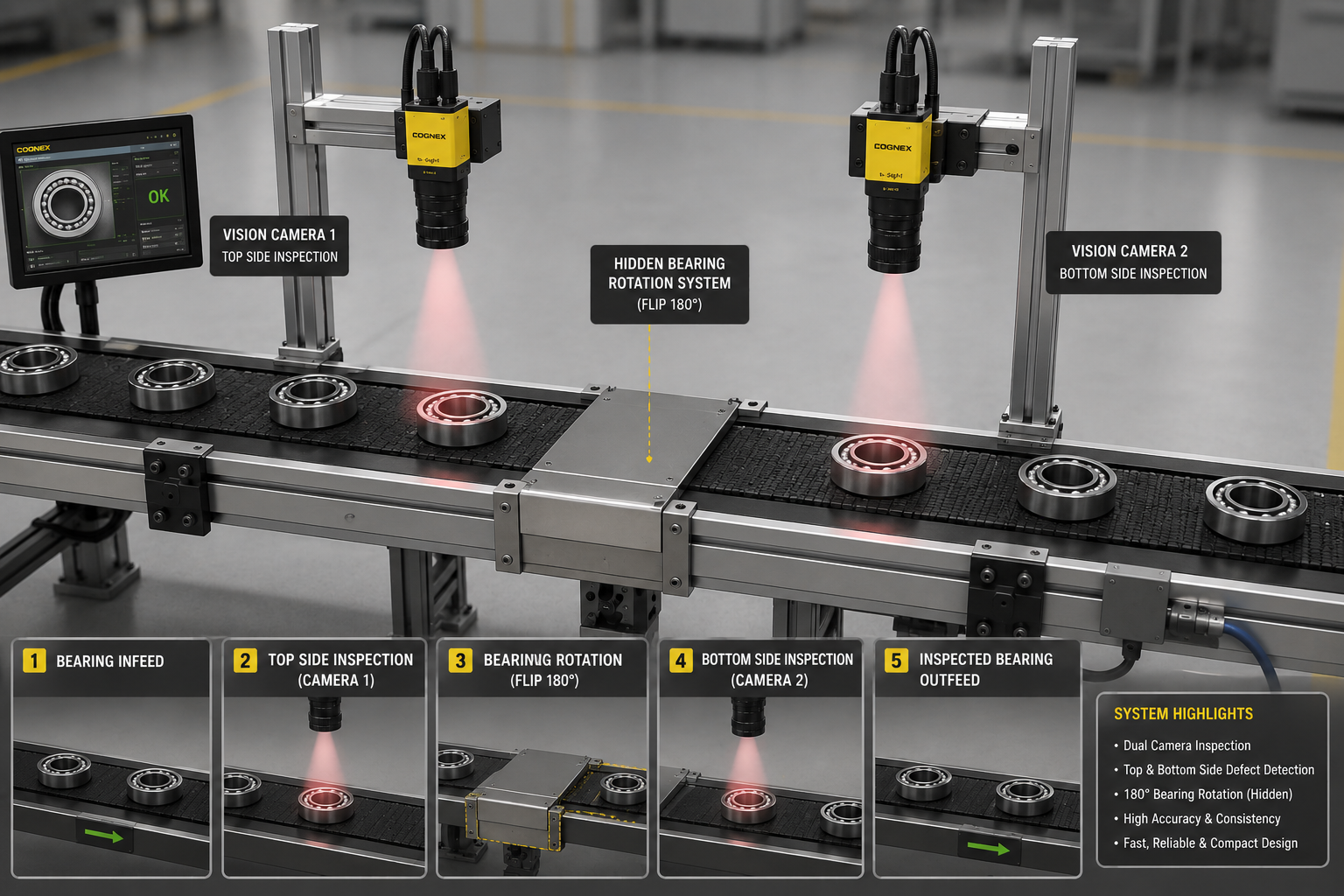
Every batch of Lubi Mono PERC modules undergoes 100% triple-EL inspection prior to and post-lamination, ensuring zero hidden micro-cracks, cell mismatches, or void defects. Modules are fully certified under IEC 61215, IEC 61730, CE, and ISO management systems.
03
Single-Source Electrical Integration Synergy
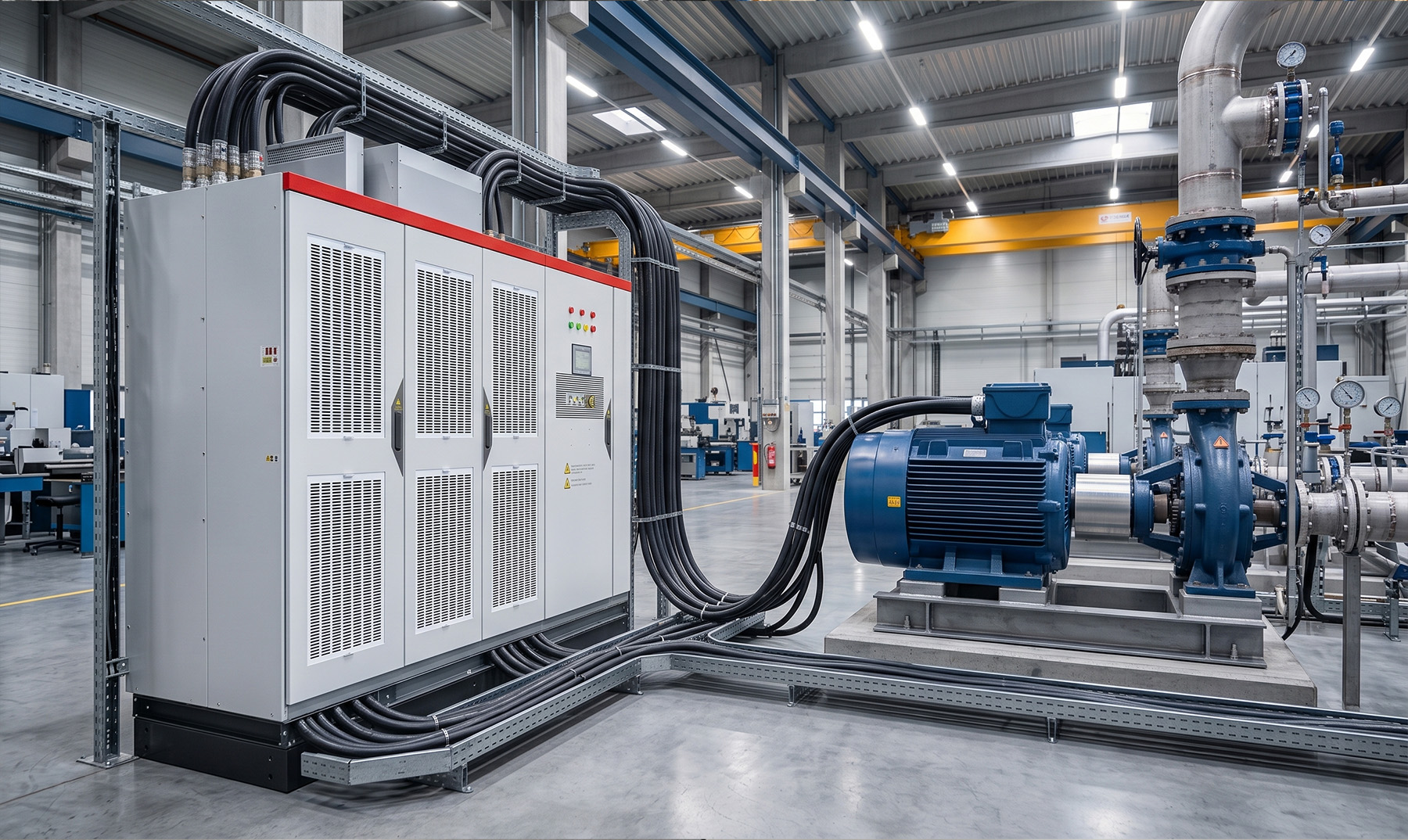
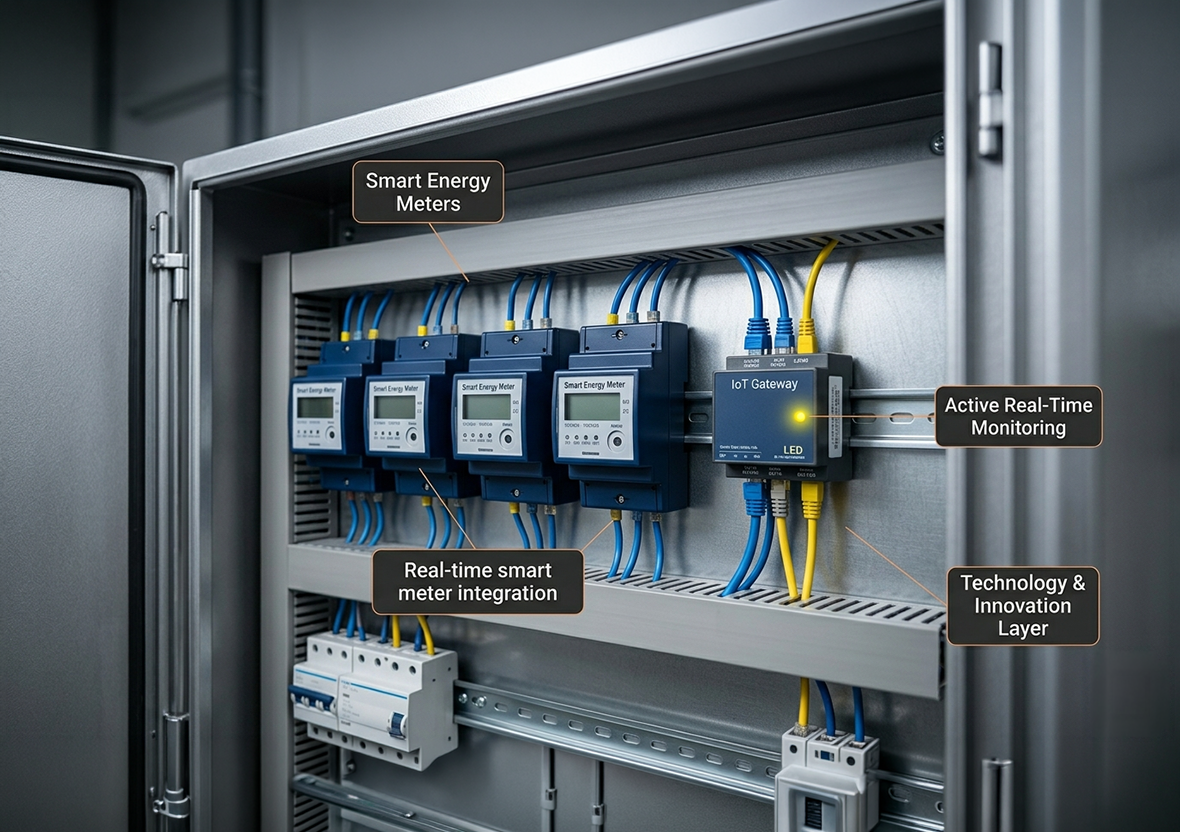
Unlike standalone panel assemblers, Lubi Electronics designs and manufactures type-tested LT/HT control panels, variable speed drives, pump automation systems, and turnkey SCADA systems. We understand the entire electrical balance of plant, ensuring seamless inverter-to-grid integration.
04
Global Footprint & Robust Lifecycle Support
With 30+ sales and technical service hubs globally, Lubi provides comprehensive export support, documentation packages, flash test data reporting for every module serial number, and direct factory technical assistance.
25+ Years Industrial Manufacturing & Solar EPC Expertise
5. Frequently Asked Questions (FAQ) for Solar Module Sourcing
Addressing key technical, logistical, and warranty inquiries raised by global solar procurement managers, EPC contractors, and project developers.
Mono PERC modules feature a dielectric passivation film on the rear side of the silicon cell. This layer acts as a laser-etched mirror that reflects unabsorbed light back through the solar cell to convert additional photons into electricity. This delivers higher conversion efficiencies (21.5%+), better performance under low-light (diffuse irradiance) conditions, and superior thermal performance in hot climates compared to older Al-BSF modules.
Lubi Electronics utilizes high-purity, gallium-doped or low-oxygen monocrystalline silicon wafers alongside specialized thermal annealing processes to effectively prevent Boron-Oxygen complex formation (the main cause of initial LID). For PID mitigation, we specify PID-resistant anti-reflective coatings, anti-PID EVA/POE encapsulation foils, and premium solar glass, tested under harsh 85°C / 85% RH moisture-heat conditions.
Monofacial PERC modules absorb sunlight only from the front glass face, making them standard for pitched commercial roofs. Bifacial PERC modules feature a transparent backsheet or dual-glass design that enables the rear side to capture reflected ambient light (albedo). Depending on surface reflectivity (e.g., white membrane roof = 70% albedo, light gravel = 30% albedo), bifacial PERC modules can generate 10% to 25% additional energy output over their operational lifecycle.
Lubi Mono PERC modules are tested and certified to international standards, including IEC 61215 (Design qualification and type approval), IEC 61730 (Module safety qualification), salt mist corrosion resistance (IEC 61701), ammonia resistance (IEC 62716), and ISO 9001/14001/45001 quality, environmental, and occupational safety management standards. Complete factory audit files and flash data files are provided for project financing.
Larger wafer modules increase power per panel, reducing the total count of modules needed per MW. This translates directly to fewer mounting rails, fewer foundation posts, fewer DC string connections, and reduced installation labor. In ground-mount utility installations, switching to 550W+ M10 or 660W+ G12 PERC modules can lower overall system BOS costs by up to 4.5% compared to older 400W-class modules.
Lubi Mono PERC modules come standard with a 12-Year Limited Product Warranty (covering workmanship and materials) and a 25-Year Linear Power Output Warranty. First-year degradation is guaranteed to be ≤ 2.0%, followed by an annual linear power output decline of no more than 0.55%, guaranteeing ≥ 84.8% of rated output at year 25. Dual-glass bifacial models carry extended 30-year performance guarantees.
Yes. Beyond module manufacturing, Lubi Electronics is a full-spectrum electrical engineering house. We support international clients with custom frame color options (e.g., full black for architectural arrays), OEM labeling for bulk distributors, system sizing calculations, inverter matching, and complete solar EPC technical advisory backed by our global service team.
Ready to Power Your Solar Projects with Engineering-Grade Mono PERC Modules?
Connect directly with Lubi’s photovoltaic application engineers for custom technical datasheets, CAD layouts, factory audit reports, or competitive container-load pricing.