Industrial Safety Light Curtains · SIL3 / PL e Compliant

Engineering Sizing & Global Procurement Guide for Safety Light Curtains

Mastering ISO 13849-1 and IEC 61496 compliance: Calculate exact safety distances, select optimal Type 2 vs Type 4 optical resolutions, and integrate intelligent IO-Link safeguarding across high-speed robotic cells, stamping presses, and automated assembly lines.

Contact Us
Toll Free Engineering Support1800 313 6810

01 / 01
1997Engineering Excellence
SIL 3 / PL eCertified Safety Standard
30+Global Service Support Hubs
Technical Fundamentals & Safety Standards

How Safety Light Curtains Protect Modern Automated Assembly Lines

An Active Optoelectronic Protective Device (AOPD)—commonly referred to as a Safety Light Curtain—creates an invisible infrared light barrier around hazardous machine workzones. When an operator, robot arm, or tooling breaks an optical beam, the safety device sends an immediate OSSD (Output Signal Switching Device) trip command to safely stop dangerous motion before access occurs.

Modern industrial safety engineering requires far more than basic presence detection. According to global machinery safety standards such as IEC 61496-1/-2, ISO 13849-1, and ANSI B11.19, selecting the correct optical safety curtain is a rigorous process based on risk assessment, optical resolution, control response times, and environmental immunity.

At Lubi Electronics, leveraging over 25 years of factory-floor automation engineering and control panel manufacturing experience near Ahmedabad, India, we bridge the gap between pure component procurement and full system integration. Our application engineers assist global OEMs and machine builders in specifying, sizing, wiring, and validating certified safety light curtain architectures.

  • 01

    Redundant Self-Checking Optoelectronics

    Type 4 safety light curtains incorporate dual microprocessor channels and continuous internal diagnostic testing. The sender unit pulses modulated infrared LEDs (typically 850 nm to 940 nm wavelength), while the receiver evaluates beam synchronization. Any hardware failure, optical misalignment, or component drift immediately forces the system into a safe OFF state.

  • 02

    Resolution-Defined Safeguarding Zones

    Beam spacing determines the minimum detectable object diameter ($d$). Ultra-fine 14 mm resolution safeguards fingers at close range; 30 mm resolution guards hands in manual loading stations; and 40 mm to 90 mm multi-beam perimeter guards detect full body access in automated robotic cells.

  • 03

    OSSD Transistor & Relay Interlocks

    Dual PNP output signal switching devices (OSSD) monitor short circuits, cross-faults, and external voltage spikes. These outputs interface directly with safety relays, safety controllers, or CIP Safety / PROFIsafe fieldbus modules to drop power to servo drives, hydraulic valves, or main contactors within milliseconds.

Lubi Electronics automation engineers inspecting safety control panel wiring and optical sensors
25+ Years Industrial Automation & Panel Engineering
Compliance Sizing Matrix

Type 2 vs. Type 4 Safety Light Curtains: Standard Breakdown

Understanding the functional safety ratings mandated by IEC 61496-1/-2 and ISO 13849-1 is critical for international machine buyers and safety auditors.

Safety Parameter / Requirement Type 2 Safety Light Curtain Type 4 Safety Light Curtain
Standard Compliance IEC 61496-1/-2 Type 2 IEC 61496-1/-2 Type 4
Performance Level (ISO 13849-1) Up to PL c / PL d Up to PL e (Highest Safety Level)
Safety Integrity Level (IEC 62061 / SIL) SIL 1 / SIL 2 SIL 3
Safety Category (EN 954-1 / ISO 13849) Category 2 Category 4
Effective Aperture Angle (EAA) ±5.0° (Wider optical tolerance) ±2.5° (Narrow optical beam pattern)
Fault Behavior & Diagnostics Periodic diagnostic testing; single internal fault may lead to temporary loss of safety function until tested. Continuous redundant self-checking; single internal fault NEVER leads to loss of safety function.
Typical Industrial Applications Low-risk packaging, material handling, conveyor secondary guarding, access restriction. High-risk stamping presses, robotic assembly cells, CNC machining centers, automotive welding lines.
Ambient Light Immunity Standard optical rejection filter High-intensity pulse modulation & bandpass filtering for welding spark immunity
Engineering Sizing Guidelines

Calculating Minimum Safety Distance (S) According to EN ISO 13855 / OSHA

Mounting a safety light curtain too close to a hazardous zone puts operators at severe risk. Mounting it too far away wastes valuable floor space. Application engineers must apply standard kinematic formulas to calculate exact placement.

EN ISO 13855 Standard Safety Distance Equation:

S = (K × T) + C

  • S = Minimum Safety Distance in millimeters (mm) measured from the danger zone to the optical sensing plane.
  • K = Approach Speed of the human body or hand in mm/s. Standard values: 2000 mm/s for hand intrusion ($S \le 500\text{ mm}$); 1600 mm/s for body intrusion ($S > 500\text{ mm}$).
  • T = Total System Stopping Time in seconds ($T = t_{\text{curtain}} + t_{\text{interface}} + t_{\text{machine\_brake}}$).
  • C = Intrusion Penetration Distance factor based on curtain optical resolution ($d$).
Finger Detection (14 mm Resolution)

Close-Proximity Guarding

Penetration Constant $C = 0\text{ mm}$ for $d \le 14\text{ mm}$. Allows operators to load components within inches of pinch points. Ideal for fast electronic assembly and small press brakes.

Request Sizing Support
Hand Detection (30 mm Resolution)

Point-of-Operation Guarding

Penetration Constant calculated as $C = 8 \times (d - 14)\text{ mm}$. For 30 mm resolution, $C = 128\text{ mm}$. Optimal for automotive part loading, plastic injection molding, and machine tending.

Request Sizing Support
Body / Perimeter Guarding (40–90 mm)

Access Control & Cell Guarding

Penetration Constant $C = 850\text{ mm}$ (standard arm length factor). Multi-beam safety light grids with 2, 3, or 4 beams guard peripheral boundaries of robotic enclosures and automatic storage systems.

Request Sizing Support
Industry Applications

Safety Light Curtains Engineered for Heavy-Duty Factory Floor Conditions

Lubi Electronics delivers tailored optical safety solutions engineered to withstand extreme vibrations, severe washdowns, and continuous operation in global industrial environments.

Automotive assembly line safeguarded by safety light curtains
Automotive & EV

Automotive Stamping & Robotic Weld Cells

Vibration-resistant Type 4 light curtains with integrated optical muting functions allow body panels to enter robot cells on transfer shuttles without stopping production, while preventing human access.

Contact Us
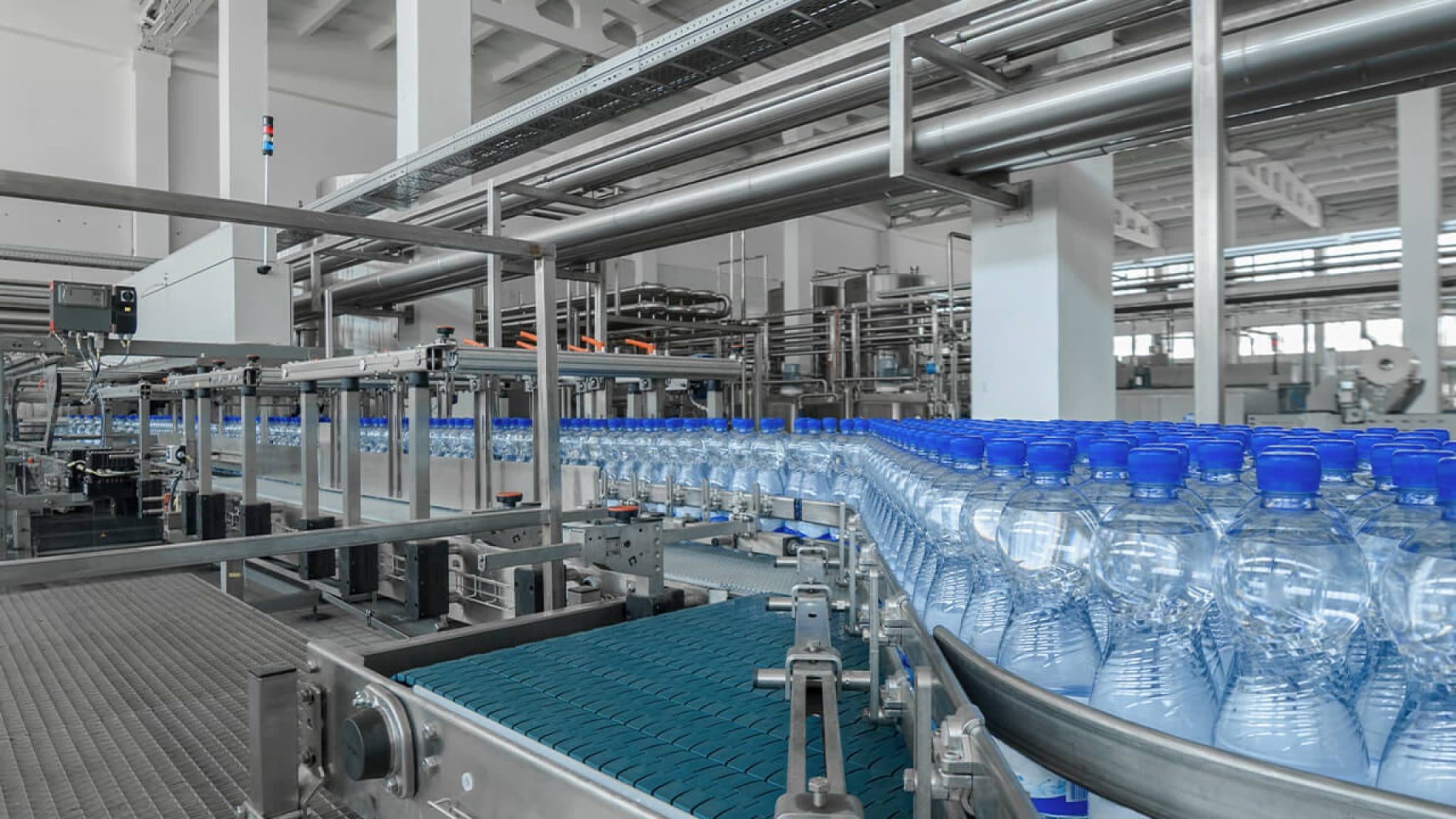
Warehouse automated palletizer safety light barrier
Logistics & Packaging

Palletizing & Intralogistics Conveyors

Multi-beam safety light grids featuring cross-talk immunity and dynamic blanking logic. Seamlessly interfaces with conveyor PLC controls and automatic guided vehicle (AGV) docking stations.

Contact Us
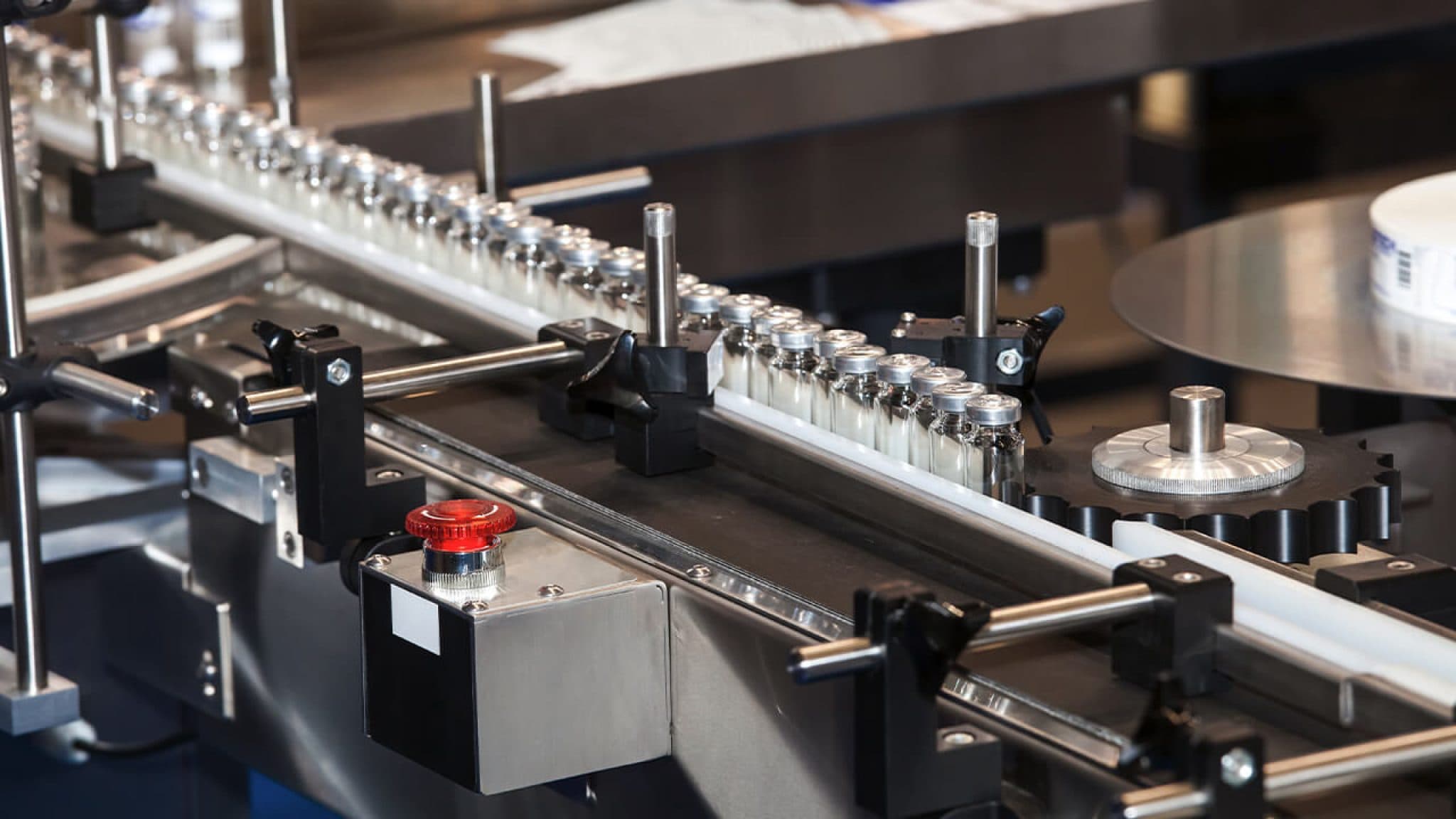
Hygienic pharmaceutical production line with optical safety guards
Pharma & Cleanroom

IP69K Hygienic Stainless Steel Light Curtains

Encapsulated in chemical-resistant PMMA protective housings. Engineered for high-pressure CIP/SIP washdown routines in pharmaceutical packaging and cleanroom filling environments.

Contact Us
Plastic injection molding press machine safety light curtain
Plastics & Molding

Injection Molding & Hydraulic Press Guarding

High-resolution safety barriers with floating blanking options to accommodate moving ejector pins while ensuring zero-gap operator safety during manual part extraction.

Contact Us
Future Tech Trends

Industrial safety light curtains are transitioning from passive safety components into intelligent, data-driven IIoT nodes. Discover the innovations shaping global OEM procurement strategies over the next decade.

Contact Us

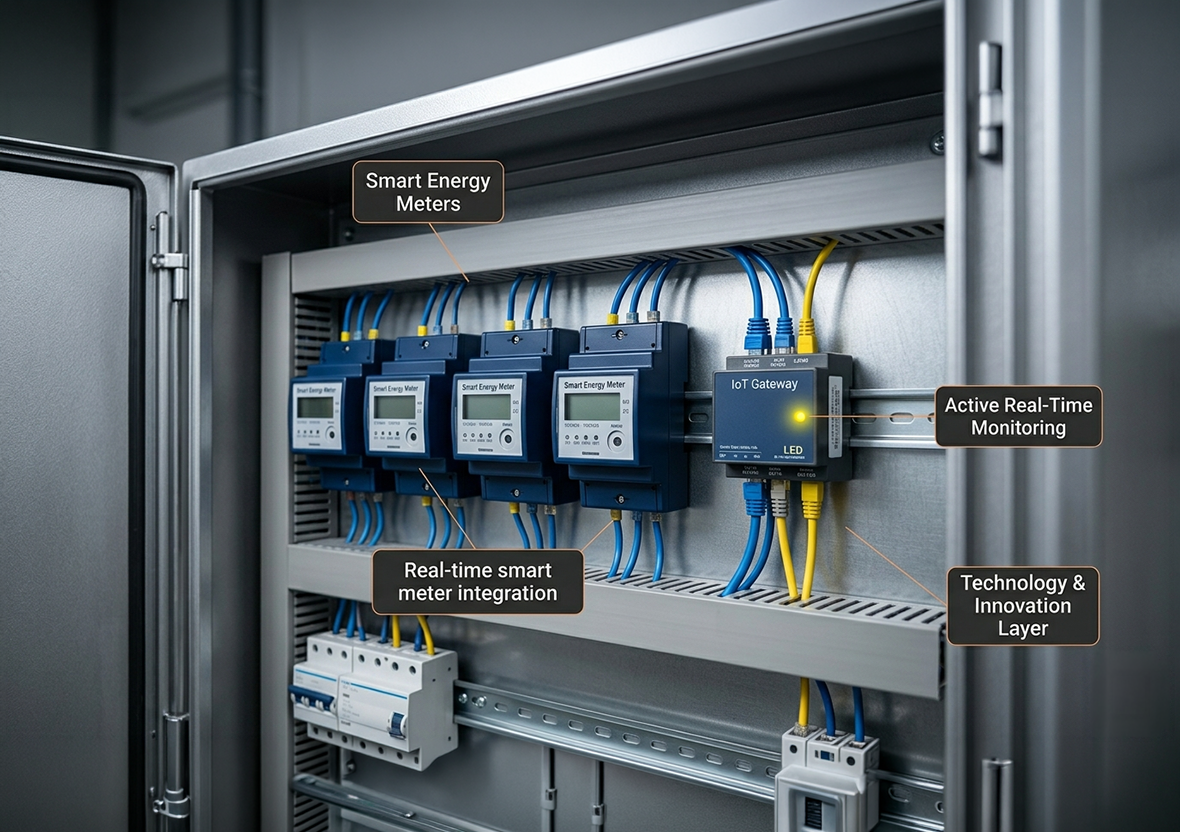
1. IO-Link Safety Protocol

Enables real-time diagnostic telemetry—monitoring optical lens contamination, signal strength degradation, individual beam status, and ambient noise levels without adding complex cabling.

2. AI-Driven Dynamic Muting

Advanced vision-assisted light curtains dynamically differentiate between human limbs and variable material profiles entering a cell, eliminating false trips while maintaining peak throughput.

3. Wireless CIP Safety & PROFIsafe

Direct integration into modern industrial Ethernet protocols reduces control cabinet wiring by up to 60%, allowing rapid commissioning across flexible modular manufacturing lines.

4. Ultra-Compact Slimline Profiles

Next-generation housing designs eliminate dead zones at corners and fit into tight collaborative robot (Cobot) arm cells, micro-electronics assembly jigs, and semiconductor tools.

Enterprise Advantage

Why Global OEMs & System Integrators Partner With Lubi Electronics

Procuring safety components requires total trust in engineering competence, rapid delivery logistics, and certified product authenticity. Lubi Electronics delivers complete accountability across the entire automation lifecycle.

In-House Control Panel BuildType-Tested Assemblies (TTA) wired to IEC standards
Certified Safety EngineersFunctional Safety Experts on staff for site audit
Global Partner NetworkAuthorized distributor for Omron, Panasonic, Schneider
Rapid Export LogisticsComplete documentation, FAT & SAT support
Engineering Field Reports

Proven Safety Implementation Case Studies

Measured safety performance gains and reduced downtime across real-world factory installations.

Contact Us
Automotive stamping press retrofitted with Type 4 safety light curtains Automotive Retrofit

Zero-Injury Stamping Line Upgrade with Type 4 Safety Barriers

Replaced mechanical interlocks on a 500-ton hydraulic press line with Type 4 safety light curtains and safety PLCs, reducing part loading cycle time by 18% while achieving 100% ISO 13849-1 PL e safety compliance.

Read Case Brief
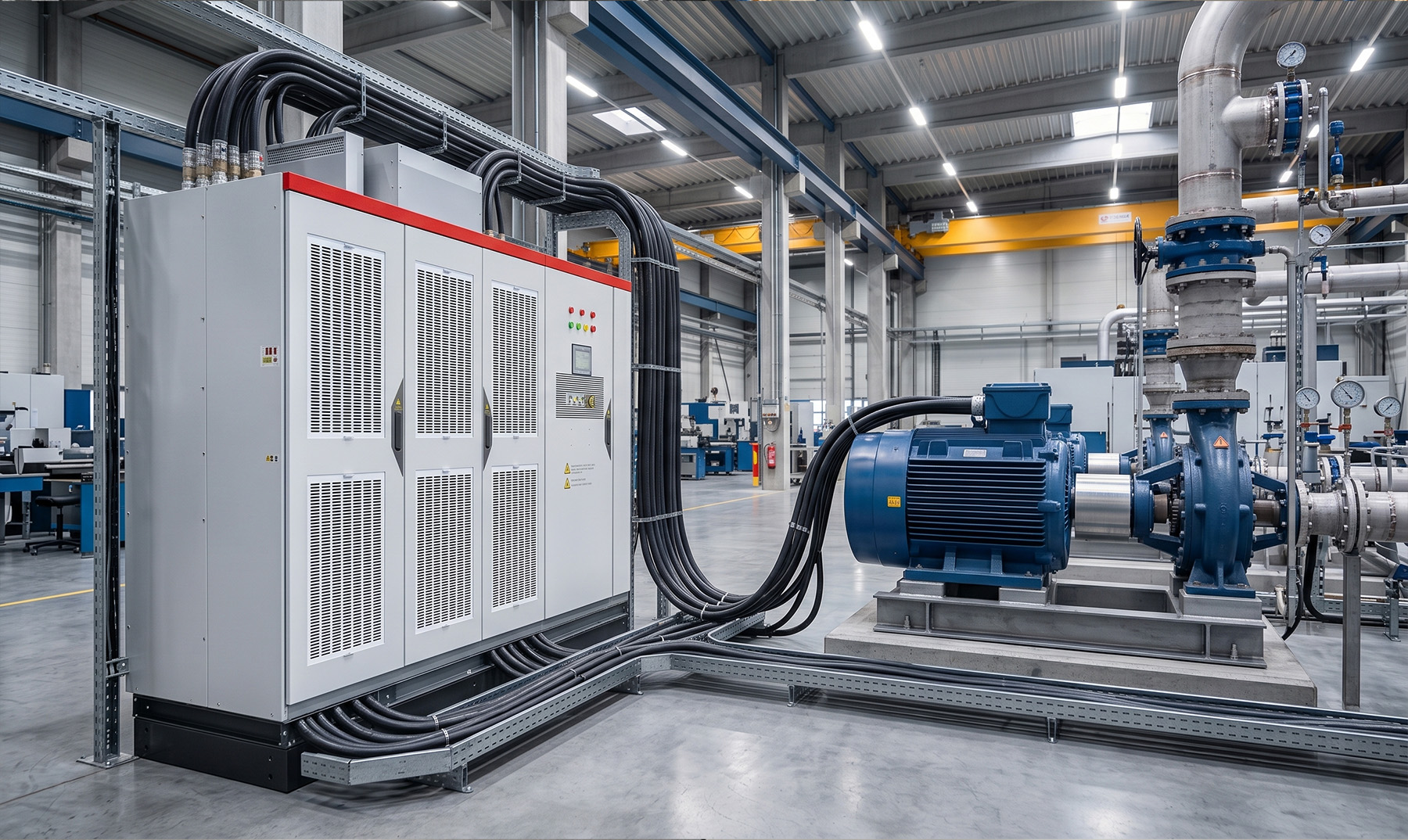
Integrated safety control panel with light curtain interlocks Control Panel Integration

Turnkey Modular Safety Panel for Multi-Robot Welding Enclosures

Lubi Electronics engineered complete safety control panels featuring pre-configured safety light curtain inputs, emergency stop loops, and remote IO-Link diagnostics for an OEM export client.

Read Case Brief
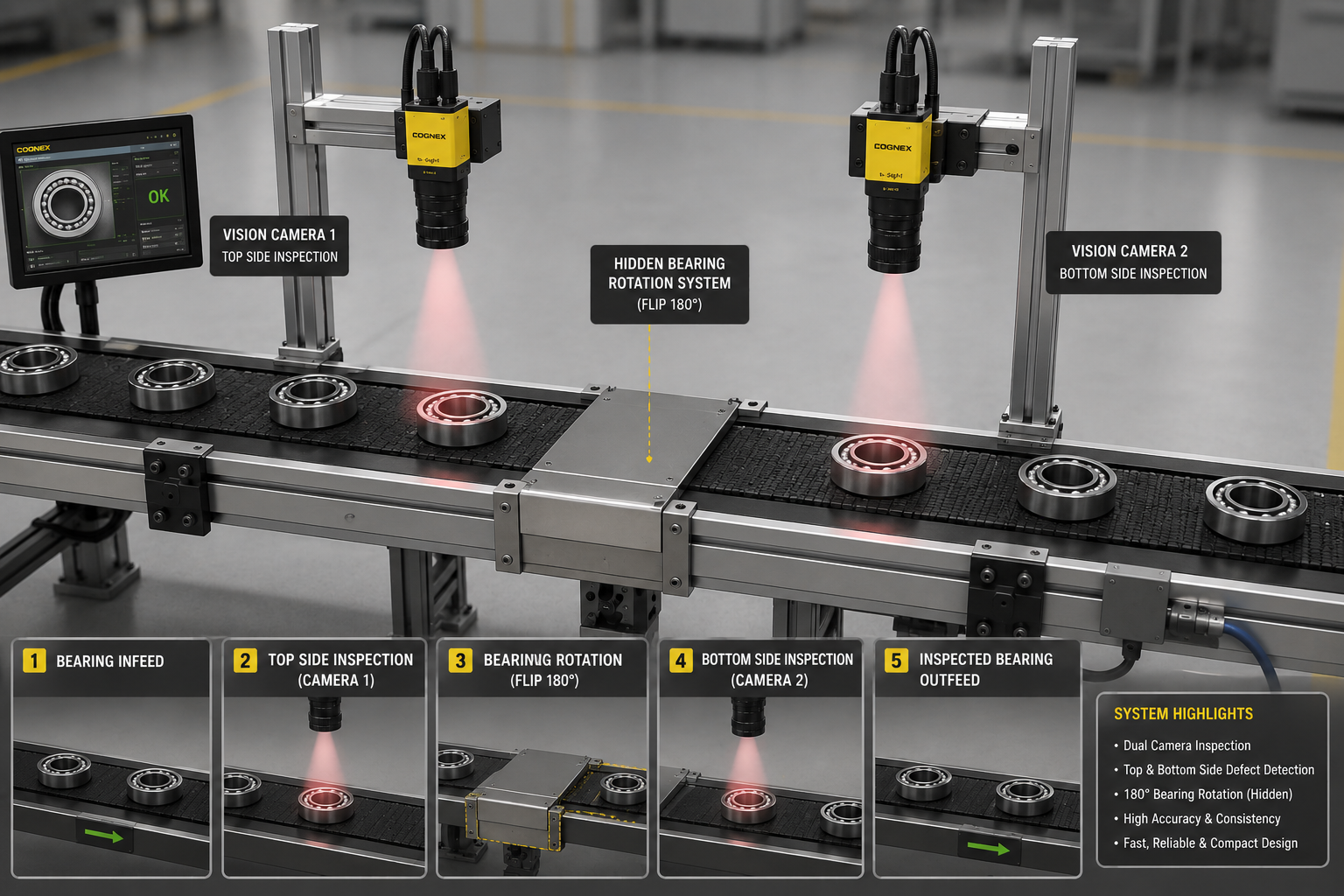
High speed bearing assembly safeguarded by precision optical curtains High-Speed Assembly

14 mm Finger Protection on High-Speed Bearing Inspection Stations

Integrated ultra-fast 14 mm resolution safety light curtains into automated inspection jigs, achieving a safety distance under 180 mm without hampering operator part placement speed.

Read Case Brief
Procurement & Technical FAQ

Frequently Asked Questions by Global OEM Buyers & Safety Auditors

In-depth technical answers addressing core queries asked by factory automation engineers on AI search platforms.

The primary technical distinctions revolve around internal fault detection redundancy, optical beam tolerance, and maximum achievable Performance Level (PL) under ISO 13849-1:

  • Type 4 Safety Light Curtains: Mandated for high-risk applications (SIL 3, PL e, Category 4). They utilize dual independent microprocessor channels with continuous diagnostic self-testing. A single internal hardware fault will never result in a loss of the safety function. Their Effective Aperture Angle (EAA) is limited to ±2.5° to prevent optical reflection bypass.
  • Type 2 Safety Light Curtains: Suitable for lower-risk applications (SIL 1/2, PL c/d, Category 2). They rely on periodic diagnostic tests performed by an external controller. A fault occurring between test cycles could cause a temporary loss of safety function. Their EAA is wider at ±5.0°.

Safety distance calculation must follow EN ISO 13855 / OSHA 1910.217 guidelines using the standard formula: S = (K × T) + C.

Where K is the hand intrusion speed (2000 mm/s), T is the total stopping time (including safety curtain response time, safety relay delay, and machine mechanical braking time), and C is the depth penetration factor ($C = 8 \times (d - 14)\text{ mm}$ for hand resolution). Our application engineering team at Lubi Electronics can run verified digital stopping-time measurements for your specific line setup.

Both functions allow material movement through an optical barrier without tripping the safety control circuit, but their operation differs significantly:

  • Muting: A temporary, automatic bypass of the entire safety curtain triggered by external muting sensors (e.g., photoeyes or inductive proximity switches) during a non-hazardous machine phase (such as a pallet exiting a robotic cell).
  • Blanking: A continuous, selective deactivation of specified optical beams within the sensing field. Fixed Blanking ignores stationary objects like mechanical brackets, whereas Floating Blanking allows a movable workpiece to pass through a restricted beam count while maintaining active protection across all remaining beams.

High-end safety light curtains engineered by Lubi Electronics employ narrow-band optical filters, infrared pulse modulation (850–940 nm), and digital cross-talk suppression. For severe industrial environments:

  • Welding & Glare: Specialized bandpass filters reject ambient welding arcs and high-frequency LED lighting glare.
  • Washdown & Dust: IP67/IP69K rated PMMA acrylic or polycarbonate tubular enclosures shield optics against high-pressure, chemical washdowns in food, beverage, and pharma applications.
  • Vibration: Heavy-duty shock mounts prevent misalignment on stamping presses.

Yes. As a leading manufacturer of type-tested control panels with over two decades of engineering expertise, Lubi Electronics designs, wires, tests, and certifies custom safety enclosures. We integrate safety light curtains directly with safety relays, programmable safety PLCs (such as Siemens PROFIsafe or Rockwell CIP Safety), drive safe-torque-off (STO) loops, and emergency stop circuits—delivering a turnkey, documented panel ready for immediate global deployment.

Every safety system dispatch includes a complete engineering documentation package: CE Declarations of Conformity, TÜV Type Examination certificates, detailed CAD schematic drawings, IO-Link parameter maps, user installation manuals, and Factory Acceptance Test (FAT) sign-off reports to ensure smooth compliance auditing by local regulatory bodies worldwide.

Ready to Engineer Your Machine Safeguarding System?

Consult with Lubi Electronics’ dedicated safety engineers today. Send us your machine CAD layout, hazardous risk profile, or panel specifications for a comprehensive technical recommendation and sizing quote.

Contact Us