Choosing the right Motion Controller is rarely a simple matter of comparing prices or product labels. Global buyers must examine machine architecture, feedback resolution, communication protocols, safety functions, and local technical support. A controller that performs smoothly in a German packaging line may struggle with an older Asian machine using different servo networks.
Peter Nachtwey, a respected motion-control engineer and industry veteran, puts the issue plainly: “A controller must serve the machine’s motion, not merely execute commands.” This principle guides our selection of ten leading Motion Controllers for international users. Each option should be judged against real operating conditions, including cycle speed, axis count, interpolation accuracy, environmental demands, and software learning curves. Small details matter. A stable Ethernet connection, clear diagnostic screen, or replaceable terminal can save hours beside a noisy production line.
This guide does not treat one brand as universally superior. That would be unrealistic. Some controllers offer impressive precision but require advanced programming skills. Others provide simpler setup, yet limited expansion. We compare practical strengths, possible weaknesses, integration demands, and long-term value. The analysis considers manufacturer documentation, engineering experience, user feedback, and service availability across regions. Still, specifications cannot reveal everything. Installation quality, tuning skills, and maintenance habits often influence results more than advertisements suggest.
Expect useful comparisons, but also a few uncomfortable questions. Is the cheapest controller truly economical after downtime? Can your team support the software five years later? The best choice is not always the most powerful one. It is the controller that fits your machine, people, and operating reality.
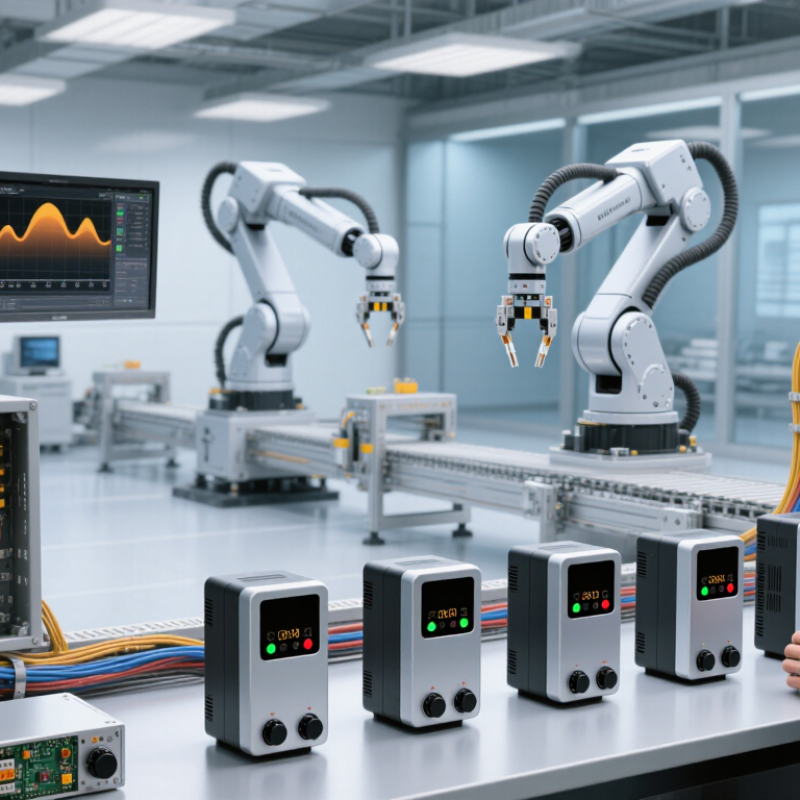
A motion controller is the decision-making unit in an automated motion system. It receives commands from sensors, software, and operator interfaces. Then it calculates position, speed, torque, and timing for connected motors. In practical systems, this controller links digital planning with physical movement. That link matters. Poor settings can create vibration, overshoot, or uneven production.
Core functions include trajectory planning, axis synchronization, feedback processing, and error correction. Advanced units can coordinate multiple axes during cutting, assembly, packaging, or inspection. They may also manage acceleration profiles, emergency stops, communication, and diagnostic records. During commissioning, engineers compare commanded motion with encoder feedback under different loads. This reveals delays that a data sheet may not show. Still, tuning is rarely perfect on the first attempt. Real machines have friction, flexible frames, and changing product weights.
Applications range from robotic handling and CNC equipment to medical devices and automated warehouses. In packaging, accurate timing keeps labels aligned and seals consistent. In laboratory equipment, smooth movement can protect delicate samples. Global buyers should check axis count, feedback compatibility, network protocols, safety functions, and local service capacity. Environmental ratings and spare-part availability deserve equal attention. A low purchase price can become expensive when integration support is limited. That is easy to underestimate.
Choosing among motion controllers worldwide requires more than counting axes or checking advertised speed. In practical evaluations, I compare positioning accuracy, response time, interpolation quality, and synchronization under real machine loads. A controller may perform well in a quiet test room but behave differently near vibration, dust, or unstable power.
Compatibility often decides the purchase. Check voltage ranges, communication protocols, encoder types, motor feedback, and available programming tools. Confirm whether the controller supports local electrical standards and required machine safety functions. Certification documents should be clear and traceable. Ask for test records, not only sales claims.
Support matters greatly. Can engineers respond during your working hours? Are manuals translated accurately? Can replacement units arrive without long customs delays? These details affect downtime more than a small difference in purchase price. Firmware access and long-term updates also deserve careful review. Some low-cost units look attractive initially. Their integration effort can become expensive.
Test it early. A short pilot using your actual motors and motion profiles can reveal unstable tuning, communication delays, or thermal limits. I would also compare five-year ownership costs, including cables, software licenses, training, and spare parts. My own evaluations are not perfect; laboratory results can miss operator mistakes and unusual site conditions. That is why independent verification remains valuable, especially when comparing suppliers across regions.
Global buyers need motion controllers that survive real production conditions, not attractive specification sheets. MarketsandMarkets projects the motion control market to grow at roughly 6.5% annually through 2028. That growth reflects demand for faster machines, coordinated robotics, and flexible production lines. The International Federation of Robotics recorded 541,302 industrial robot installations in 2023. Controllers now manage more axes, tighter timing, and heavier data loads.
A strong shortlist should examine interpolation accuracy, cycle time, safety functions, and network compatibility. Check support for established industrial protocols and IEC 61131-3 programming practices. During commissioning, engineers should test a controller with actual motors, cable lengths, and emergency-stop routines. Laboratory performance can mislead. Heat, vibration, electrical noise, and operator changes often reveal weaknesses.
No controller wins every plant. A packaging line may value synchronized cam profiles, while a machining cell needs deterministic feedback. ARC Advisory Group’s industrial automation research highlights the continuing move toward Ethernet-based control architectures. Still, faster networking does not automatically create better motion. Buyers should verify diagnostics, firmware management, spare-part access, and regional technical support. I would also question optimistic claims about sub-millisecond performance. They may depend on limited axes and ideal conditions. A practical evaluation should record positioning error, recovery time, and setup hours across several operating shifts.
Selecting the ten best motion controllers for global buyers requires more than comparing speed and price. Compatibility should be checked against the machine’s motor type, feedback device, voltage range, and communication protocol. A controller may appear flexible, yet fail when its feedback resolution differs from the existing drive. Check the details.
In field commissioning, a short bench test often reveals problems before shipment. Test basic movement, emergency stopping, feedback signals, and fault recovery with the intended cables. Small mismatches can create hours of troubleshooting. Installation conditions also matter. Confirm enclosure space, cooling airflow, grounding, and mounting strength. Keep power and signal cables separated. This simple habit reduces electrical noise.
System integration depends on clear data exchange and practical service access. Ask whether the controller supports required industrial networks, synchronized axes, safety interfaces, and remote diagnostics. Global projects need documentation with wiring diagrams, parameter lists, and clear revision control. Translation quality can affect installation accuracy. Local technicians should understand alarm codes without guessing. A staged acceptance test is useful, but it is not perfect. Unexpected machine vibration, temperature changes, or operator habits may still expose weaknesses. Leave spare terminals, accessible connectors, and realistic commissioning time in the design.
Global buyers should price motion controllers beyond the hardware quote. Compare license fees, engineering hours, import duties, taxes, cables, and replacement stock. The International Federation of Robotics’ World Robotics 2024 report recorded 541,302 industrial robot installations worldwide in 2023. That figure signals stronger demand for dependable control systems. However, installation volume does not guarantee local support. Request regional service coverage, response times, firmware policies, and spare-part availability. Support matters.
For a ten-controller shortlist, score each unit across axis capacity, interpolation performance, network compatibility, safety functions, and environmental rating. Check voltage requirements and certification documents before ordering. The World Bank’s 2023 Logistics Performance Index assessed 139 economies, highlighting differences in customs, infrastructure, and delivery reliability. These differences can change the real purchase price. A low quote can be misleading. Ask for delivered pricing and written warranty terms. Evaluate remote diagnostics carefully; unstable connectivity may delay troubleshooting. Some teams overvalue maximum speed and undervalue setup clarity. I would also test manuals with a non-specialist technician. That small exercise often exposes missing wiring diagrams, unclear alarm codes, or weak translation. Leave budget for training and commissioning. An impressive specification sheet cannot replace accessible expertise when production stops.
Indicative pricing, control capacity, and international purchasing guidance
The chart compares ten anonymized motion-controller profiles using typical new-unit market midpoints in USD, based on control capacity and industrial application level. Entry-level profiles are suitable for compact machines, while higher-capacity profiles are intended for synchronized multi-axis systems. Before purchasing internationally, confirm axis requirements, fieldbus compatibility, operating voltage, firmware availability, warranty coverage, local technical support, shipping cost, import duties, and lead time.
Compare positioning accuracy, response time, interpolation quality, and synchronization under real machine loads. Do not rely on speed claims alone. Vibration matters.
Check voltage ranges, communication protocols, encoder types, motor feedback, and programming tools. Confirm local electrical standards and required safety functions. Small mismatches can delay installation.
Request certification documents and test records. Then run a pilot with the actual motors, cable lengths, and motion profiles. Test results may still miss unusual site conditions.
Test heat, vibration, dust, electrical noise, and unstable power. Observe performance across several operating shifts. A quiet laboratory is not enough.
Packaging equipment may need synchronized cam profiles. Machining cells may require deterministic feedback. Robotic systems often need coordinated axes and stable timing.
Check engineer response times during working hours and manual quality. Review regional spare-part access and customs delays. Fast help can reduce costly downtime.
Include cables, software licenses, training, spare parts, firmware updates, and integration labor. A cheaper controller may require more setup hours. That estimate is easy to underestimate.
Verify established industrial communication support and IEC 61131-3 programming practices. Faster networking does not automatically improve motion quality. Diagnostics remain essential.
Record positioning error, recovery time, thermal limits, communication delays, and setup hours. Include emergency-stop behavior. My evaluations are not perfect, so independent verification remains valuable.
A Motion Controller is the central component that coordinates movement in automated equipment by managing position, speed, acceleration, torque, and synchronization. This article explains its core functions and common applications across robotics, packaging, machining, material handling, and other industrial systems. It also introduces ten leading controller options for global buyers, focusing on practical differences rather than brand promotion.
The comparison considers control performance, axis capacity, communication protocols, software usability, scalability, reliability, safety features, and compatibility with motors, drives, sensors, and existing machinery. Readers will also learn about installation, programming, system integration, maintenance, and international purchasing concerns. Pricing, technical support, documentation, warranty coverage, regional availability, and long-term operating costs are examined to help buyers make informed decisions. By balancing application requirements, integration complexity, budget, and future expansion plans, businesses can select a suitable solution for stable, efficient, and adaptable motion control.