Choosing TopCon Solar Modules is not just a matter of comparing efficiency figures. A strong selection starts with the project itself: roof space, local climate, mounting limits, and expected energy use. A module rated at 600 watts may look impressive on paper, but its dimensions, temperature behavior, and installation layout still matter. Small details count.
Professor Martin Green, a leading photovoltaic researcher, has emphasized the importance of measuring solar-cell performance carefully. A useful project-level takeaway is: “Judge the module by its performance in the field, not by its label alone.” This is a practical summary, not a verbatim quotation. It points buyers toward test data, warranty terms, and independently verified product specifications.
This guide will help readers assess cell efficiency, power output, degradation, temperature coefficients, and mechanical durability. It will also explain how to compare warranties and supplier support without treating a low price as proof of good value. Check the fine print. A warranty can sound reassuring yet offer limited practical protection if service is hard to access.
There is no single best module for every project. A coastal installation, a large commercial roof, and a shaded home system face different trade-offs. Some product claims may also be difficult to compare directly. That deserves a second look. By checking measurable specifications against site conditions, project owners can choose TopCon Solar Modules with clearer expectations and fewer costly surprises.
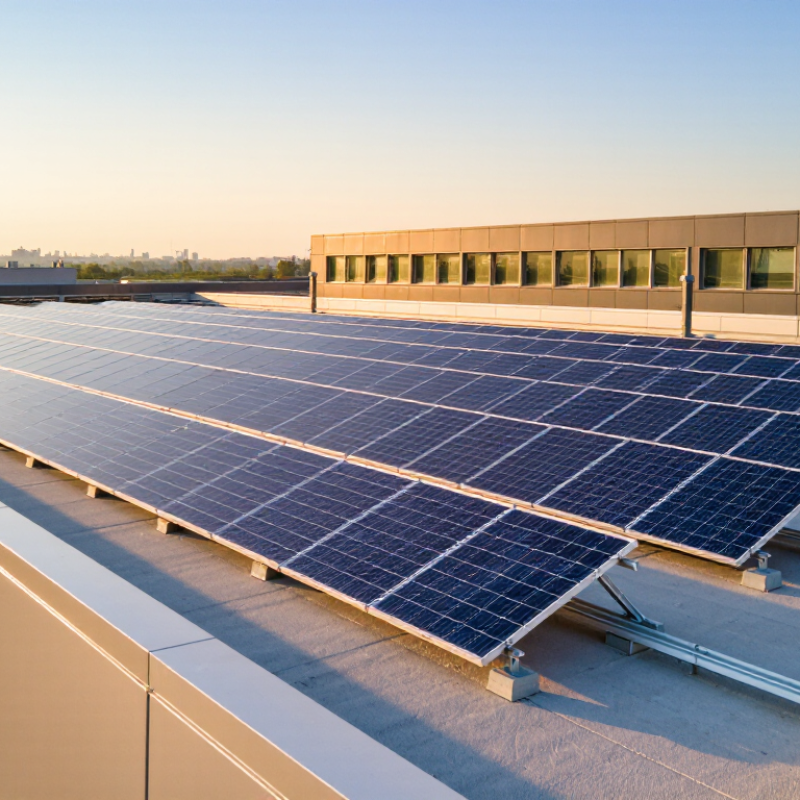
TOPCon, or tunnel oxide passivated contact, is a solar-cell design that helps reduce energy loss where electrical contacts meet silicon. A very thin oxide layer and a doped polysilicon layer support carrier collection while limiting recombination. The result can be higher module efficiency than many conventional crystalline-silicon designs, though actual output depends on module construction and operating conditions. Not magic.
For a project, compare more than rated watts. Check efficiency, temperature coefficient, expected degradation, mechanical-load ratings, and independent certification documents. In hot climates, a lower temperature-related power loss may matter more than a small difference in nameplate output. On rooftops, measure usable area, shading, and access for maintenance; a high-efficiency module cannot compensate for poor layout. TOPCon modules may also offer useful bifacial performance, but rear-side gains depend on mounting height, ground reflectivity, and row spacing. Ask for data tied to the exact module model, not just cell-level claims. A spreadsheet can make the choice look precise, yet uncertain weather and installation quality still affect yield. That limitation deserves attention.
| Selection Dimension | Typical TOPCon Reference | Why It Matters to Your Project | What to Verify Before Purchase |
|---|---|---|---|
| Cell technology | N-type crystalline silicon with a thin tunnel oxide and a passivated contact layer. | Passivated contacts reduce carrier recombination, supporting high cell and module efficiency. | Confirm the cell architecture and module construction in the technical datasheet and product documentation. |
| Module efficiency | Many current commercial TOPCon modules are approximately 22.5%–23.5% efficient; the range varies by product format and generation. | Higher efficiency can provide more installed capacity where roof area, land, or mounting space is limited. | Compare module efficiency and rated power at the same test conditions, and check the dimensions and usable project area. |
| Power temperature coefficient | Representative TOPCon datasheets commonly show about −0.29% to −0.32% per °C for maximum power. | A less negative coefficient can reduce power losses when cell temperatures rise above standard test conditions. | Compare the exact maximum-power temperature coefficient and model local operating temperatures; do not use ambient temperature alone. |
| Bifaciality | Bifacial TOPCon products commonly specify a bifaciality factor in the approximate 80%–85% range, depending on design. | Rear-side generation may increase energy yield on suitable ground-mounted or elevated systems with reflective surroundings. | Check the specified bifaciality factor, rear-side shading, mounting height, ground reflectance, and the assumptions used in the yield estimate. |
| Light-induced degradation | N-type TOPCon cells are generally less susceptible to boron-oxygen-related light-induced degradation than conventional p-type PERC cells. | Lower initial light-induced losses can support more predictable early operating output. | Review the product’s initial stabilization procedure, degradation test reports, and applicable warranty terms; degradation behavior still varies by product. |
| Annual degradation and warranty | Published TOPCon performance warranties often specify around 1% maximum first-year degradation and about 0.4% per year thereafter, but terms differ. | Long-term degradation assumptions affect lifetime energy forecasts and project economics. | Read the exact first-year and subsequent-year limits, warranty duration, exclusions, claim process, and warranty provider details. |
| System compatibility | Electrical characteristics—including open-circuit voltage, operating current, and maximum system voltage—vary by module model. | Compatibility affects string sizing, inverter selection, protection design, and safe operation across the project’s temperature range. | Check the module datasheet against inverter limits, local minimum design temperature, string configuration, and applicable electrical codes. |
| Mechanical and environmental suitability | Load ratings, frame design, glass construction, connectors, and certifications are product-specific. | Wind, snow, salt mist, humidity, and installation conditions can influence structural suitability and durability. | Confirm certified load ratings, approved mounting zones, environmental test certifications, connector compatibility, and installation instructions. |
| Project-level value | TOPCon may offer efficiency, temperature-response, or bifacial advantages, but results depend on the specific module and system design. | The best choice is the module that delivers suitable lifetime energy and reliability at an acceptable installed cost—not simply the highest nameplate power. | Compare modeled annual and lifetime energy, balance-of-system costs, availability, warranty coverage, and total installed cost on consistent assumptions. |
Note: The ranges above are representative market references, not guaranteed specifications. Confirm all values against the current datasheet, certifications, and warranty for the exact module being considered.
Record roof orientation, tilt, usable area, and shading at different times. A chimney can shade nearby panels. Also note wind, snow, and temperature conditions.
Review a full year of electricity bills and identify high-use hours. Future changes can shift the target. I would leave some room for uncertainty.
No. Efficiency matters when space is limited, but compare module size, rated power, layout, and installation costs too. More watts do not automatically mean better value.
Check the temperature coefficient in the datasheet. A less negative coefficient generally means smaller power losses as modules heat up. A sunny roof can get very hot.
Compare cold-weather open-circuit voltage with the inverter’s maximum DC voltage. Check operating voltage, string current, and MPPT limits. Small margins matter.
Not always. Rear-side gain depends on ground reflectivity, layout, and site conditions. Pale ground may help, but avoid relying on an optimistic estimate.
Check module dimensions against roof space and mounting rails. Confirm clamp zones and installer drawings. Also consider roof loading, cable paths, and maintenance access.
Include modules, inverters, mounting hardware, labor, cleaning access, and likely replacement work. A lower purchase price may not mean lower lifecycle costs.
No. Warranties describe specific terms, not a precise site forecast. Local weather, shading, dust, and installation quality can change real-world production. A tidy estimate is still only an estimate.
Choosing TopCon Solar Modules starts with understanding how TOPCon cell technology can support higher energy yields and reliable performance across different project types. Begin by evaluating the installation site, including available space, sunlight, climate, and shading, then define your energy targets and system requirements. Compare module efficiency and power output, while paying close attention to temperature performance, since operating conditions can affect real-world production.
A well-rounded selection also considers long-term dependability. Review durability, relevant certifications, warranty coverage, and the manufacturer’s record of quality and support. Confirm that the modules are electrically compatible with the rest of the system and suitable for the planned installation method. Finally, assess total lifecycle costs—not just the initial purchase price—to understand expected maintenance needs and long-term value. Matching these factors to your project’s priorities can help you make a practical, informed decision.