Engineered for high dynamic performance, rigorous thermal stability, and seamless multi-protocol fieldbus integration across heavy manufacturing and robotics.
An in-depth technical examination of electromechanical actuation principles, duty cycles, vector control algorithms, and feedback topologies for high-uptime industrial processes.
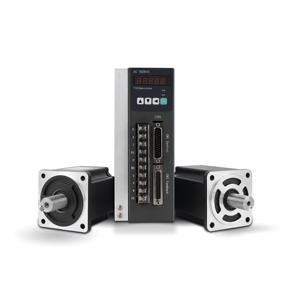
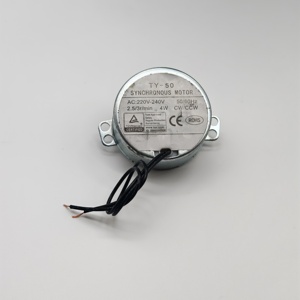
In modern industrial automation, the mechanical linear and rotary actuator serves as the critical muscle interface connecting digital control commands (PLC/SCADA) to physical motion. As global manufacturing transitions from pneumatic and hydraulic fluid-power reliance toward high-efficiency electromechanical systems, China has emerged as the premier manufacturing epicenter for advanced electric actuators. As a leading China Electric Actuator Exporter, our engineering methodologies synthesize high-density permanent magnet synchronous motors (PMSM), precision harmonic/planetary gearing, and real-time closed-loop vector control.
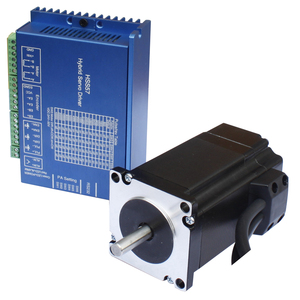
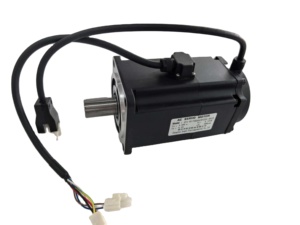
Electric actuators operate by converting electrical power into mechanical torque via magnetic flux linkage. Modern industrial actuators primarily utilize three core motor topologies depending on the payload dynamics and position loop constraints:
To assist procurement directors and plant engineers in evaluating Total Cost of Ownership (TCO) and operational efficiency, the following comparative engineering matrix outlines key operational metrics:
| Operational Metric | Electric Servo Actuator | Hydraulic Cylinder | Pneumatic Actuator |
|---|---|---|---|
| Energy Efficiency | 85% - 95% (Energy on demand) | 40% - 55% (Continuous pump drain) | 15% - 30% (Compressor thermal loss) |
| Positioning Accuracy | ±0.005 mm to ±0.02 mm | ±0.5 mm to ±1.0 mm | ±1.0 mm to ±5.0 mm |
| Control Flexibility | Fully Programmable (Velocity, Force, Pos) | Proportional Valve Dependent | Discrete End-Stop Limit Switching |
| Maintenance Profile | Greased for life (Zero fluid leaks) | High (Oil seals, filters, fluid degradation) | Medium (FRL units, seal degradation) |
| Noise & Cleanroom Fit | Ultra-low (< 58 dBA), Cleanroom Suitable | High pump noise, Oil mist risk | Exhaust air noise, Dust blowback risk |
Precise motion synchronization across multi-axis joint systems requires high-bandwidth real-time feedback mechanisms. Modern export-grade electric actuators from China incorporate dual-encoder topologies:
Primary feedback relies on multi-turn absolute magnetic or optical encoders (17-bit to 23-bit resolution) that retain single-turn position and revolution counts without battery backup. This eliminates homing routines upon cold system boot-up, significantly shortening cycle restart times in automated automotive packaging lines.
From an industrial network standpoint, our actuators support universally compliant industrial communications:
Key economic, technological, and regulatory vectors shaping global buyer procurement strategies over the next decade.
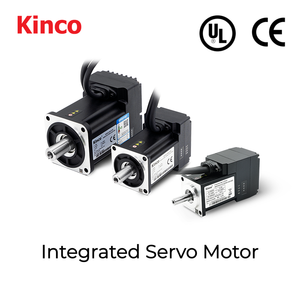
Procurement teams are actively phasing out discrete component buying (purchasing motor, drive, gearbox, and encoder from separate suppliers). Purchasing integrated "All-in-One" units reduces assembly line labor by 60%, eliminates fieldbus wiring interference, and guarantees thermal-matched gear-to-motor tolerances right out of the box.
With global sustainability mandates like EU's CBAM and ISO 50001 energy management frameworks, buyers demand high-efficiency copper-wound synchronous motors achieving IE4 and IE5 energy efficiency tiers. Electromechanical actuators deliver up to 80% net energy savings compared to legacy pneumatic compressed air networks.
Next-generation electric actuators incorporate multi-axis MEMS vibration sensing and thermal junction monitoring inside the motor housing. Through edge AI algorithms, the actuator streams real-time bearing wear analytics via IO-Link or MQTT, triggering maintenance alerts before mechanical binding causes catastrophic plant downtime.
How China's premier actuator engineers are pushing the boundaries of power density, cyber-physical integration, and harsh-environment durability.
By transitioning internal motor drives from traditional Silicon IGBTs to Wide Bandgap Silicon Carbide (SiC) and Gallium Nitride (GaN) FETs, actuator drives run at switching frequencies exceeding 100 kHz. This yields miniature drive footprints embedded directly inside NEMA frame motors without thermal throttling.
Customization for chemical processing, offshore marine, and food-grade washdown lines. Advanced surface treatments such as ceramic anodization, 316L stainless steel enclosures, fluoroelastomer dynamic lip seals, and explosion-proof terminal boxes enable continuous submersion and hazardous dust compliance.
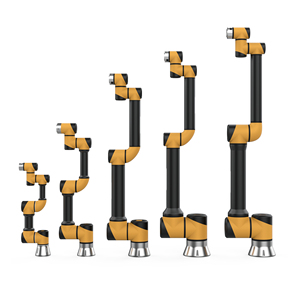
For high-precision applications like cobot joints, laser welding arm positioners, and semiconductor wafer handling, actuators are engineered with integrated zero-backlash harmonic gearheads. By utilizing high-fatigue alloy flexsplines and precision cross-roller bearings, these compact units handle high moment loads while maintaining backlash under 1 arc-minute across hundreds of thousands of duty cycles.
Combining 25+ years of industrial automation expertise, in-house component manufacturing, and rigorous international quality certifications to serve global OEMs.
Established with decades of factory-floor experience in drive electronics, power distribution, and precision motion control. Our engineering teams design, build, and validate complete control systems under strict ISO 9001 and IEC manufacturing standards.
From cleanroom SMT surface-mount lines for servo drive PCBs to laser sheet-metal fabrication and full-load motor dynamometer testing—every product undergoes rigorous Factory Acceptance Testing (FAT) with traceable documentation prior to export packaging.
As an authorized automation system partner, our actuators and servo drives seamlessly interface with major PLC software ecosystems including Siemens TIA Portal, Omron Sysmac, Schneider EcoStruxure, Delta ISPSoft, and Rockwell Studio 5000.
Technical, quality assurance, and commercial answers for OEM procurement engineering teams.
Every shipment includes a comprehensive engineering dossier containing CE Declaration of Conformity, ISO 9001 quality audit reports, factory routine test certificates (dielectric insulation test, thermal rise log, backlash verification), schematic wiring diagrams, and multi-lingual user instruction manuals.
Pulse/direction control is ideal for standalone single-axis positioning or cost-sensitive machines with basic PLC architectures. Networked fieldbus systems (EtherCAT, CANopen, RS485 Modbus) are essential for multi-axis continuous motion, real-time diagnostic reporting, centralized parameter tuning, and dynamic interpolation in robotics and multi-head packaging machines.
Yes. We offer custom environmental modifications including IP67/IP68 submersible sealing, food-grade NSF H1 synthetic grease lubrication, high-temperature winding insulation (Class H up to 180°C), internal condensation anti-sweat heaters, and special anodized aluminum or 316 stainless steel housings for corrosive chemical applications.
Standard catalog actuators (such as NEMA 24 closed-loop steppers and 750W AC servos) are dispatched within 3 to 7 working days. Customized OEM requests (special shaft keyways, custom gear ratios, specific feedback encoders, custom cable lengths) typically ship within 14 to 21 days following CAD engineering approval.
We maintain a guaranteed 10-year spare parts availability standard across all industrial product series. International clients receive 24/7 remote application engineering support for drive commissioning, fault diagnostic parsing, and fieldbus configuration file (.ESD / .GSDML) setup.
Consult with our senior application engineers to obtain 3D STEP models, customized torque-speed curve calculations, and competitive OEM volume pricing for your production line.