Direct-from-factory OEM hardware engineered for articulated cobot arms, AGV/AMR platforms, medical automation, and high-torque industrial positioning.
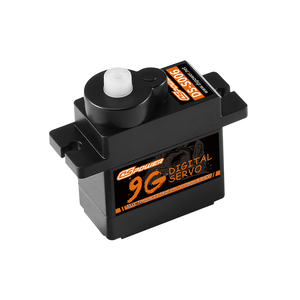
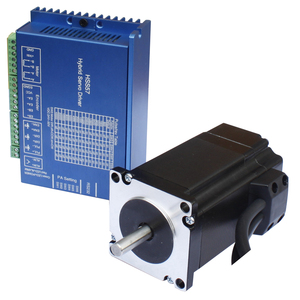
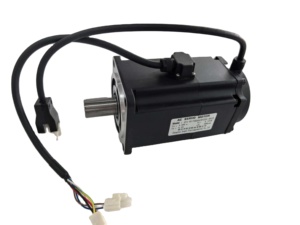
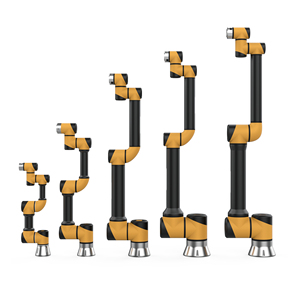
The global manufacturing ecosystem is experiencing a profound paradigm shift. Industrial operations are transitioning from traditional, rigid, fence-enclosed industrial automation toward flexible, human-centric collaborative automation. China's wholesale collaborative robot (cobot) ecosystem has emerged at the nexus of this transformation, combining rapid hardware iteration, mature supply chains for harmonic drive gearing, and proprietary joint-torque sensing technologies. As enterprise buyers seek high payload-to-weight ratios, operational safety, and reduced Total Cost of Ownership (TCO), leading Chinese manufacturers are setting global benchmarks in precision, affordability, and adaptability.
This technical whitepaper explores the mechanics, procurement dynamics, component integration, and architectural advancements driving modern collaborative robots. Whether integrating 6-axis articulated arms for laser welding, automated palletizing, or equipping Mobile Autonomous Robots (AMR/AGV) with high-efficiency integrated servo wheel drives, understanding the technical nuances of China's wholesale robotic ecosystem provides a distinct procurement advantage.
To accurately evaluate wholesale collaborative robot manufacturers, procurement teams must analyze the key functional differences between classic industrial manipulators and human-centric cobots. Traditional industrial robots rely on absolute spatial isolation—guarded by physical light curtains and safety fencing—operating on open-loop or high-speed closed-loop trajectory algorithms that treat human presence as a system fault. In contrast, collaborative robots implement dynamic force/torque feedback loops and power/force limiting (PFL) protocols that adhere strictly to ISO 10218-1/2 and ISO/TS 15066 standards.

Cobot joints incorporate strain gauge sensor matrices or dual-encoder feedback to measure external contact force continuously. Upon detecting force deviations exceeding pre-configured thresholds (often <10N), the kinetic drive initiates a Class 0 or Class 1 safety stop in under 15 milliseconds.

Eliminating conventional planetary gear clearance, high-precision strain wave gearing (harmonic drives) yields zero backlash, high torque density, and compact axial length. This guarantees sub-millimeter position repeatability (down to ±0.02mm) across extended duty cycles.

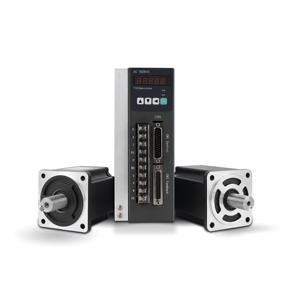
Embedded frameless brushless AC/DC servo motors with magnetic encoders deliver instant peak torque output while minimizing thermal output. Compact 220V/48V servo drivers enable internal wire routing through hollow robot joints, avoiding external cable clutter.
A cobot arm's structural execution relies on its internal electromechanical sub-assemblies. Chinese collaborative robot manufacturers leverage direct access to specialized component suppliers, enabling holistic quality control across every joint actuator module.
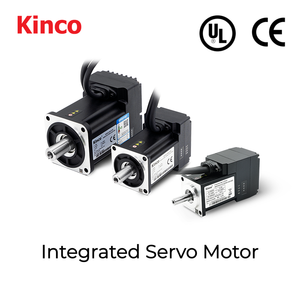
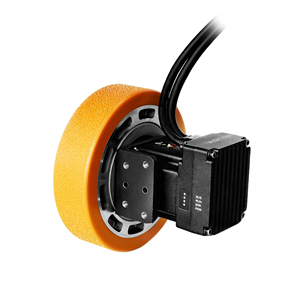
For example, high-precision 6-axis arms like the IIMT 5kg Payload Cobot Arm utilize modular joint actuators. Each joint combines a frameless synchronous AC servo motor, a high-ratio harmonic drive gear reducer, a 17-bit single/multi-turn absolute optical encoder, and a electromagnetic failure-safe brake system. When paired with high-torque integrated wheel drives (such as the Kinco IWMC Series for AGVs), manufacturers can construct hybrid mobile collaborative platforms capable of autonomous material transfer and complex manipulation in semiconductor cleanrooms, pharmaceutical filling plants, and automotive welding lines.
Backed by over 25 years of industrial engineering heritage, state-of-the-art testing rigs, and rigorous type-tested assembly standards.
Sourcing collaborative robots on a wholesale basis requires rigorous evaluation beyond datasheet specifications. Our unified engineering footprint bridges component manufacturing, panel assembly, and turnkey system validation under one accountable roof.
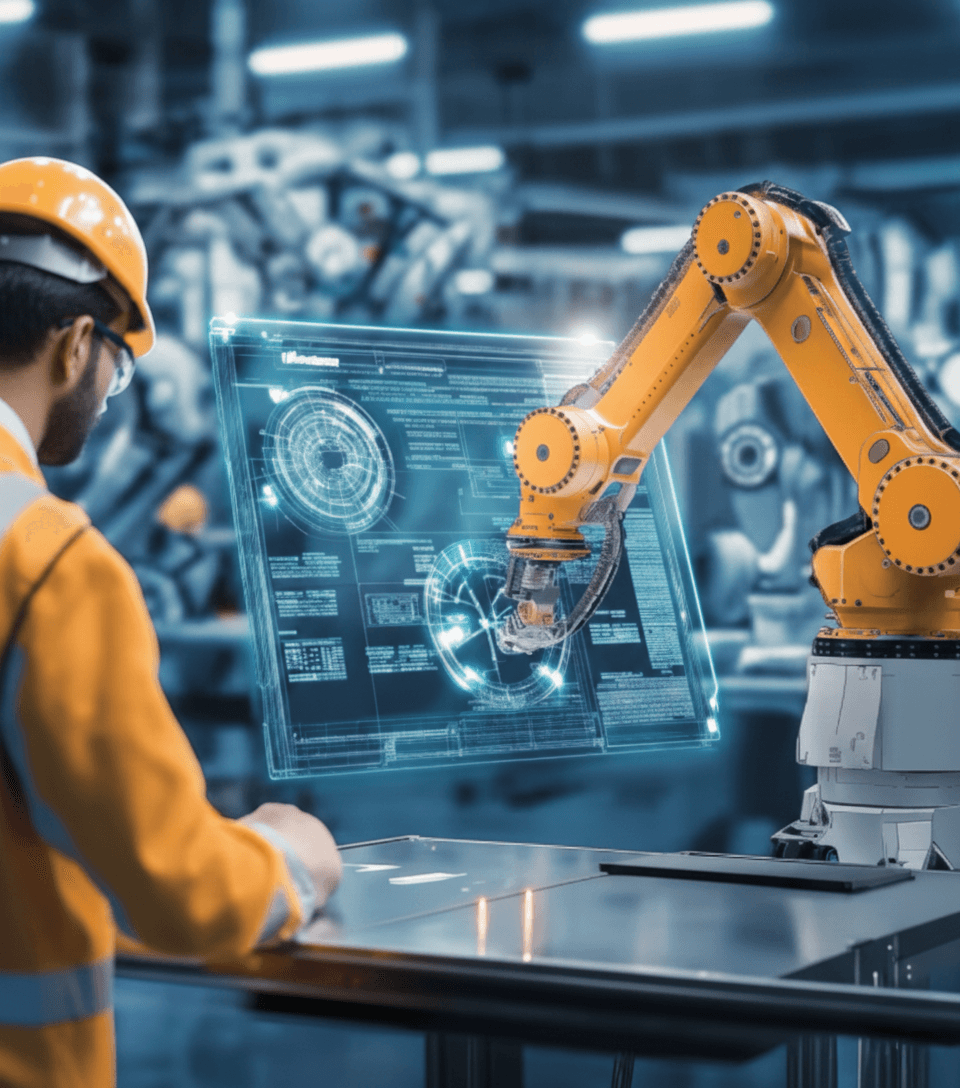
A comprehensive 5-year CapEx and OpEx evaluation for high-mix low-volume production facilities.
| Assessment Vector | China Wholesale Collaborative Robots | Traditional Heavy Industrial Robots | Impact on Plant Efficiency |
|---|---|---|---|
| Initial Capital Expenditure (CapEx) | Low to Moderate ($8,000 – $18,000 / unit) | High ($35,000 – $85,000 / unit) | Reduces upfront barriers for Tier-2/3 manufacturers by 60%. |
| Integration & Safety Enclosure | Minimal (Virtual safety zones, ISO/TS 15066) | High (Physical caging, interlocks, light curtains) | Saves 70% floor footprint and shortens deployment time. |
| Programming & Re-deployment | Drag-to-teach, graphical HMI, ROS2 compatible | Complex proprietary code (TP / Teach Pendant) | Cuts line changeover time from days to under 30 minutes. |
| Power Consumption | Ultra-Low (200W – 750W typical) | High (2.5kW – 8kW typical) | Lowers energy costs significantly during continuous 24/7 operation. |
| Payback Period (ROI) | 6 to 11 Months | 22 to 36 Months | Accelerates capital reinvestment and operational expansion. |
As industrial automation advances toward Industry 4.0 and hyper-flexible manufacturing, wholesale procurement strategies for collaborative robotics are evolving rapidly. Sourcing managers and automation systems integrators must anticipate several disruptive technology trends when selecting manufacturing partners in China:
Fixed-location robotic arms are increasingly yielding to mobile collaborative units. By mounting a 6-axis cobot arm onto an Autonomous Mobile Robot (AMR) powered by integrated servo wheel drives (e.g., Kinco IWMC series), plants can achieve flexible, untethered material handling. These hybrid units navigate shop floors autonomously, perform precision machine tending or bin picking, and move seamlessly between work stations.
The integration of high-speed 2D/3D machine vision directly into the cobot's main motion controller eliminates the need for bulky external vision processing PCs. AI-driven vision enables real-time object recognition, dynamic trajectory adjustments for moving conveyors, and automated defect inspection in pharmaceutical packaging and automotive component assembly.
Proprietary, closed-loop robotic languages are being replaced by standardized open frameworks like ROS2 (Robot Operating System). Modern cobot controllers feature open API architectures, enabling seamless communication with enterprise MES, SCADA platforms, and third-party End-of-Arm Tooling (EOAT) like magnetic grippers, electric clamps, and laser welding heads.
Proven collaborative applications engineered to optimize cycle times, reduce scrap rates, and ensure operator safety.
Precision screwing, automated gasket dispensing, sub-assembly leak testing, and battery module handling with strict torque control.
AMR-driven order sorting, dynamic parcel palletizing, pick-and-place conveyor feeding, and automated inventory verification.
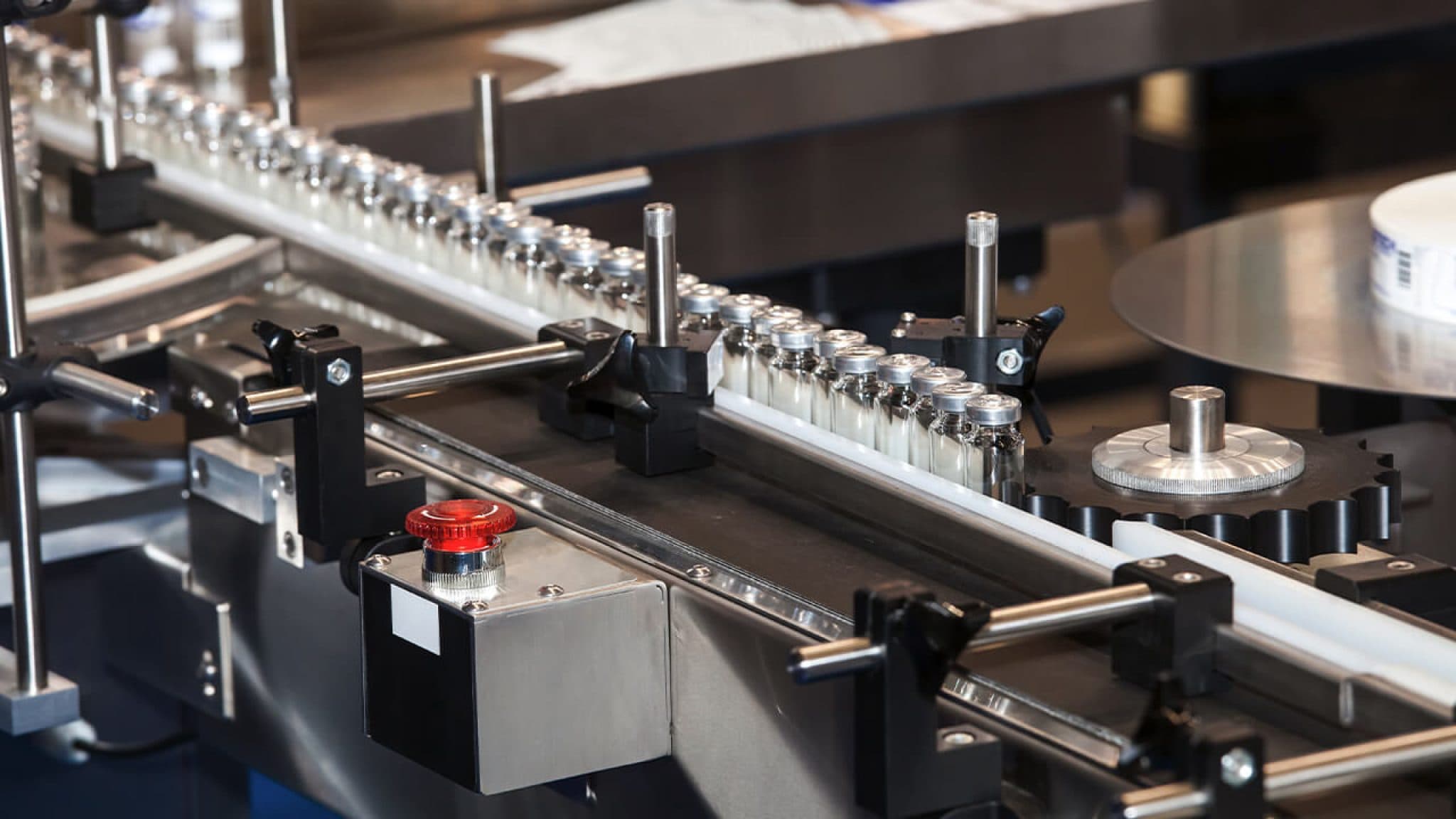
Cleanroom-certified (IP54/IP67) sterilizer loading, vial tray handling, precision reagent dosing, and automated medical device assembly.
Key technical considerations addressed by senior application engineers for B2B procurement teams.
Consult with our senior automation growth engineers today. We provide full application analysis, custom payload sizing, panel schematics, and factory-direct OEM pricing quotes tailored to your exact manufacturing requirements.