Explore our tier-1 grade monocrystalline and N-type bifacial photovoltaic modules, built for global utility projects, commercial rooftops, and specialized agricultural installations.
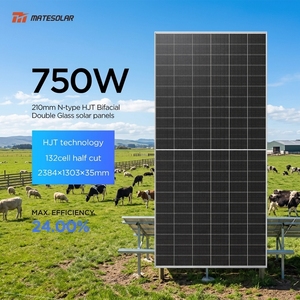
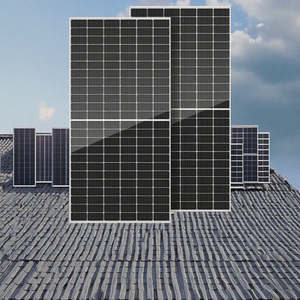
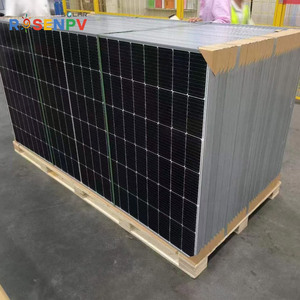
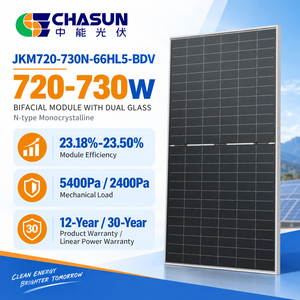
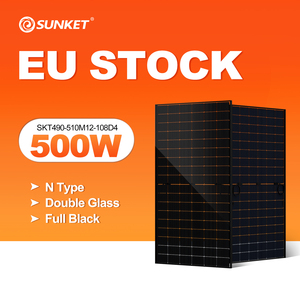
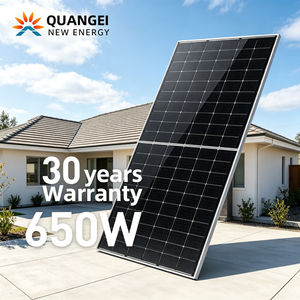
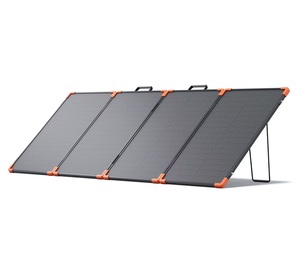
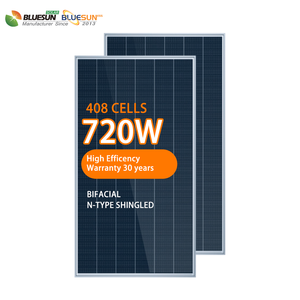
Backed by over 25 years of factory-floor experience, in-house manufacturing, and rigorous quality auditing, our operations deliver uncompromised reliability across global markets.
An exhaustive technical evaluation for EPC contractors, utility developers, and OEM partners seeking a competitive advantage through semantic supply chain optimization and high-gain photovoltaic engineering.
As the global energy transition accelerates toward net-zero emissions, the photovoltaic (PV) industry has undergone a paradigm shift from traditional monofacial modules to advanced Custom OEM Bifacial Panel Manufacturer & Exporter solutions. Modern utility-scale solar installations, commercial rooftops, and decentralized agricultural microgrids demand higher energy yields per square meter without escalating Balance of System (BOS) costs. Bifacial modules capture solar irradiance from both sides—utilizing direct sunlight on the front side and reflected, diffuse albedo radiation from the ground or surrounding environment on the rear side.
Drawing upon over 25 years of robust industrial manufacturing expertise, precision-engineered control panel fabrication, and in-house solar EPC execution, elite manufacturers integrate cutting-edge N-Type HJT (Heterojunction Technology) and TOPCon (Tunnel Oxide Passivated Contact) cells. This whitepaper analyzes the structural dynamics, future procurement trends, purchasing methodologies, and stringent quality assurance frameworks required to secure high-performance custom OEM bifacial solar modules in international markets.
Key Takeaway for Procurement Directors: Selecting an experienced, vertically integrated OEM partner eliminates third-party component discrepancies, ensures strict adherence to international IEC standards, and guarantees comprehensive lifecycle traceability from silicon wafer processing to final factory acceptance testing (FAT).
Understanding the underlying semiconductor physics is crucial for mitigating technical risk in multi-megawatt solar projects. Traditional P-type PERC (Passivated Emitter and Rear Cell) modules have largely reached their efficiency plateau, constrained by boron-oxygen recombination and higher light-induced degradation (LID). In contrast, N-type solar technologies have established a new benchmark for energy yield and operational longevity.
TOPCon architecture introduces an ultra-thin silicon oxide layer and a heavily doped polycrystalline silicon film on the rear side of the cell. This design significantly reduces surface recombination velocity and enables superior passivation. For procurement managers sourcing Custom OEM Bifacial Panel Manufacturer & Exporter solutions, TOPCon modules deliver exceptional temperature coefficients (typically around -0.30%/°C), lower degradation rates (<0.4% per year after the first year), and bifaciality factors exceeding 85%. This ensures that even under high-ambient-temperature operating conditions, energy output remains exceptionally stable.
HJT represents a true hybrid structure combining crystalline silicon with amorphous thin-film silicon. By eliminating the traditional p-n junction damage associated with high-temperature diffusion processes, HJT cells achieve bifaciality coefficients approaching 90% to 92%. HJT modules excel in low-light performance, capturing early morning and late evening photons with remarkable efficiency. Furthermore, their virtually zero Light-Induced Degradation (LID) and LeTID resilience make them the preferred choice for extreme climates ranging from high-humidity coastal zones to arid desert environments.
Global PV supply chains are evolving rapidly. Procurement professionals can no longer rely on transactional spot-market buying. To secure tier-1 allocations and hedge against raw material price volatility, enterprise buyers must align with long-term strategic procurement trends:
When evaluating potential manufacturing partners, technical buyers must examine the depth of organizational infrastructure. Our operational capabilities stand out through several distinct core strengths:
End-to-end production of type-tested electrical assemblies, control panels, switchgear, and high-efficiency solar modules under strict quality management.
Electro-luminescence (EL) testing, flash testing under standard test conditions (STC), and comprehensive mechanical load testing prior to factory dispatch.
Dedicated application engineering teams offering pre-sales sizing, electrical schema design, FAT support, and rapid after-sales service response.
To assist procurement committees in conducting thorough due diligence, here are detailed answers to the most common inquiries regarding custom OEM bifacial panel manufacturing:
Share your project specifications, target capacity, or engineering drawings with our technical team today. Experience uncompromised manufacturing quality and responsive engineering support.
Get a Quote