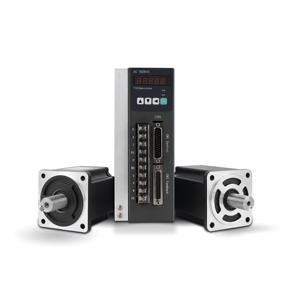
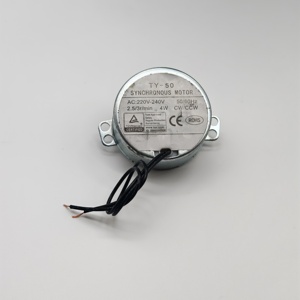
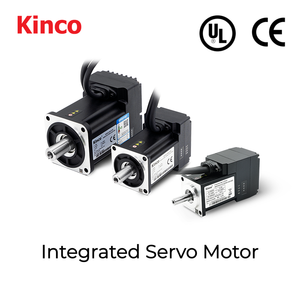
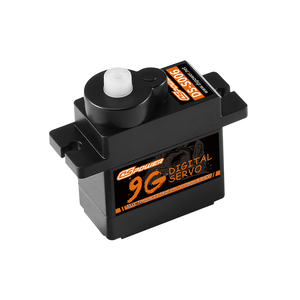
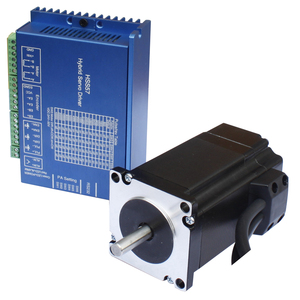
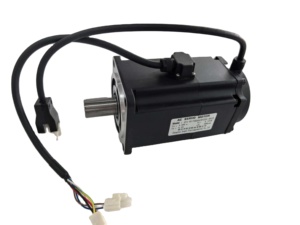
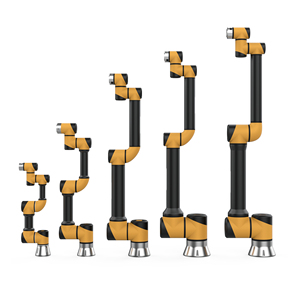
Explore high-torque servo motors, integrated drives, micro-gear actuators, and collaborative robotic modules optimized for parallel kinematic picking and packaging.
Technical Architecture, Kinematic Performance Benchmarks, and Motion Control Integration for High-Speed Manufacturing
In high-speed FMCG, pharmaceuticals, electronics packaging, and semiconductor manufacturing, Delta robots (parallel kinematic manipulators) serve as the gold standard for pick-and-place precision, sorting, and micro-assembly. Unlike serial articulated arms where each subsequent axis carries the motor weight of preceding joints, Delta robots utilize three or four closed-loop kinematic chains mounted above the work zone. This parallel design concentrates heavy structural actuators in the base overhead frame, maintaining an exceptionally low moving mass composed primarily of lightweight carbon fiber or titanium arms.
Selecting the optimal partner among global Delta robot manufacturers demands a holistic engineering assessment that extends far beyond initial nominal payload ratings. Plant managers, systemic integrators, and procurement directors must evaluate long-term mechanical stiffness, dynamic repeatability under thermal cycles, fieldbus synchronization latency (EtherCAT, PROFINET, CANopen), and overall total cost of ownership (TCO).
A superior parallel kinematic system achieves acceleration forces exceeding 15G to 20G while maintaining spatial position repeatability within ±0.01mm. Achieving this balance requires matching high-density AC servo motors with sub-arcminute low-backlash planetary gearboxes and real-time motion controllers executing polynomial trajectory interpolation.
| Evaluation Parameter | Standard Commercial Grade | High-Precision Industrial Grade | Impact on Production Line Efficiency |
|---|---|---|---|
| Standard Cycle Time (Adeppt 25/305/25mm) | 0.45 s - 0.60 s | 0.27 s - 0.35 s | Increases throughput from 90 ppm up to 180+ picks per minute per cell. |
| Positional Repeatability (ISO 9283) | ±0.10 mm to ±0.05 mm | ±0.01 mm to ±0.02 mm | Prevents misalignments during high-speed electronic micro-component placement. |
| Payload Capacity (Nominal / Max) | 0.5 kg - 3.0 kg | 3.0 kg - 15.0 kg | Allows multi-pick end-effectors to manipulate entire product rows simultaneously. |
| Degree of Freedom (DoF) | 3-Axis (XYZ Translation) | 4-Axis / 5-Axis (Rotational Theta) | Enables 360-degree orientation alignment during dynamic packaging streams. |
| Communication Protocol | Analog / Modbus RTU | EtherCAT / PROFINET IRT / CANopen | Ensures sub-millisecond synchronization with upstream line cameras and encoders. |
Key Technological Shifts Reshaping Industrial Parallel Kinematic Investments
Traditional rotary gearboxes introduce mechanical backlash and require periodic lubrication. Next-generation Delta designs adopt high-torque direct-drive rotary motors or linear motor actuators. This architecture completely eliminates backlash, extends mean time between failures (MTBF) past 60,000 hours, and significantly reduces acoustic noise in washdown environments.
Static 2D conveyor tracking is being superseded by embedded AI vision processing engines. Modern Delta robotic cells leverage 3D time-of-flight (ToF) sensors and deep learning algorithms to pick randomly oriented, overlapping, or deformable objects directly from high-speed moving belts without physical guide rails.
Procurement strategies are pivoting toward modular, field-replaceable arm assemblies. Resin-infused carbon fiber structures reinforced with ceramic ball joints allow rapid field replacement in under 15 minutes, slashing unplanned downtime during mechanical crash recovery.
End-to-End Control Panel Manufacturing, Motion Engineering, and Global Brand Integration
Building high-performance Delta robotic cells requires more than acquiring robot mechanical frames—it demands seamless integration between motion controllers, servo drivers, industrial safety systems, and type-tested power control panels. Backed by over 25 years of industrial automation engineering, our organization provides a complete, accountable engineering ecosystem.
We manufacture IEC-standard Type-Tested Assemblies (TTA), MCC, PCC, and custom drive panels engineered specifically for high-acceleration motion control systems.
As authorized technology integrators for leading brands (including Omron, Delta, Panasonic, Epson, Advantech, Cognex, and Hiwin), we deliver hardware perfectly matched to your exact torque and cycle requirements.
Our dedicated technical repair centers provide board-level repair, drive diagnostics, and motor rewinding, ensuring full lifecycle support and minimizing spare part replacement costs.
From payload simulation and kinematic modeling to Factory Acceptance Testing (FAT) and on-site commissioning, our engineering teams oversee every stage of implementation.
Addressing Common Technical, Operational, and Maintenance Inquiries from Plant Managers
Consult with our senior application engineers to receive custom kinematic sizing, CAD drawings, panel design concepts, or complete automation proposals customized to your plant layout.