Direct sourcing catalog featuring ultra-high efficiency N-Type TOPCon, Heterojunction (HJT) bifacial modules, hybrid inverters, and precision solar-integrated control hardware engineered for harsh operational environments.
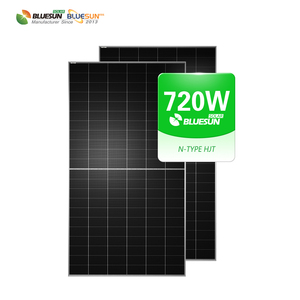
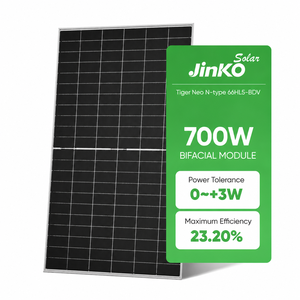
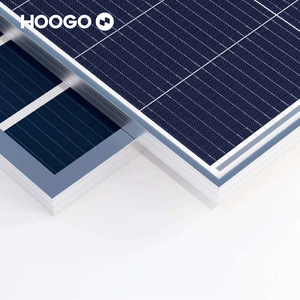

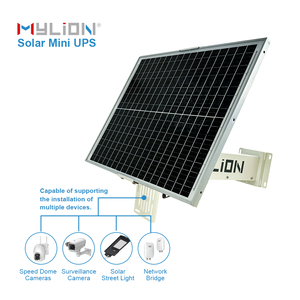
As photovoltaic technology pivots away from traditional P-type PERC cells, engineering directors and EPC contractors face critical architectural decisions between N-Type TOPCon (Tunnel Oxide Passivated Contact) and HJT (Heterojunction Technology).
Modern commercial and utility solar procurement is no longer driven strictly by upfront dollar-per-watt ($/Wp) capital expenditure. The market has fundamentally shifted toward Levelized Cost of Electricity (LCOE) optimization. N-Type TOPCon and HJT chemistries deliver higher bifaciality, superior low-light performance (early morning and late afternoon generation), and significantly reduced Temperature Coefficients (-0.29%/°C vs -0.38%/°C in PERC), directly driving 5% to 12% higher yield per installed kilowatt peak over the asset lifespan.
| Technical Parameter | P-Type Mono PERC | N-Type TOPCon | Heterojunction (HJT) |
|---|---|---|---|
| Average Mass Efficiency | 21.2% - 21.8% | 22.5% - 23.0% | 22.8% - 23.5% |
| Bifaciality Factor | 70% ± 5% | 80% ± 5% | 85% ± 5% |
| Temperature Coefficient (Pmax) | -0.35% / °C | -0.30% / °C | -0.26% / °C |
| First-Year Light Degradation (LID) | ~2.0% | < 1.0% | ~0.5% (Virtually Zero LID) |
| Annual Linear Degradation | 0.55% / Year | 0.40% / Year | 0.35% / Year |
| Manufacturing Process Complexity | Standard (Baseline) | 9-11 Process Steps | 5 Core Low-Temp Steps |
Understanding how market forces, supply chain compliance, and hardware integration impact utility and commercial PV investments over the next decade.

Bifacial solar modules utilizing dual 2.0mm tempered glass have become the standard for utility-scale deployment. By absorbing albedo irradiance reflected from sand, concrete, or white roof membranes, bifacial arrays boost energy yield by up to 25% without expanding physical footprint.

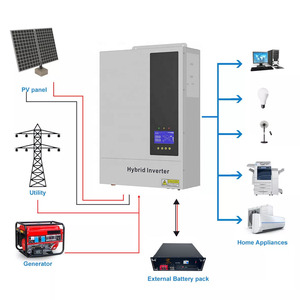
The convergence of PV generation and energy storage (BESS) requires hybrid inverters with wide MPPT voltage bands (120V-450VDC) and built-in CAN/RS485 Modbus protocol stacks. These enable microsecond switching between grid-tied export and off-grid battery backup mode.

Commercial rooftop solar insurance underwriting now mandates rigorous extended thermal cycling, hail resistance, and FM (Factory Mutual) certifications. Non-compliant panels introduce major insurance liability for corporate industrial properties.

By migrating to 210mm wafer formats and half-cut multi-busbar (MBB) cell architectures, panel outputs have crossed the 700W to 720W threshold. This reduces Balance-of-System (BOS) costs—including racking, cabling, and labor—by up to $0.03/Watt.

Institutional buyers demand end-to-end supply chain transparency. Full quartz-to-module bill-of-materials (BOM) tracking ensures clean energy sourcing compliance, avoiding trade tariffs and regulatory hold-ups at international ports.

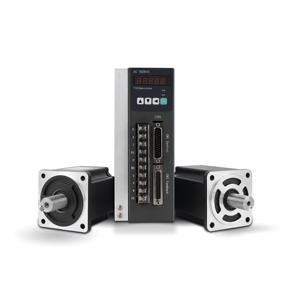
Pairing 700W+ panels with single-axis or dual-axis solar trackers powered by industrial AC servo motors (with 23-bit absolute encoders and RS485 control) increases system daily output profile flattening by keeping solar incidence perpendicular through peak hours.

Since 1997, our organization has established itself as an engineering-driven powerhouse in industrial automation, type-tested control panels, and turnkey solar EPC solutions. Operating state-of-the-art manufacturing facilities near Ahmedabad, Gujarat, India, we bridge the gap between high-yield photovoltaic hardware and industrial plant control integration.
Unlike standard trading intermediaries, every solution supplied under our ecosystem undergoes rigorous routine factory testing. From Type-Tested Assemblies (TTA) and high-voltage switchgear to TopCon solar module manufacturing and SCADA-integrated energy management platforms, our engineering team guarantees total system accountability.
Our manufacturing plants produce type-tested low-voltage (LT) and high-voltage (HT) control panels, pump control systems, and switch-mode power supplies (SMPS). Combined with Tier-1 solar panel sourcing and EPC engineering, we deliver integrated power management architectures that reduce downtime, satisfy strict safety codes, and maximize operational profitability.
Clear, technical answers to address risk assessment, warranty compliance, performance guarantees, and system integration during supplier selection.
N-Type TOPCon technology completely eliminates Light-Induced Degradation (LID) caused by boron-oxygen complexes inherent in P-type wafers. Furthermore, TOPCon offers higher cell efficiency (>22.5%), lower temperature coefficients (-0.30%/°C), and a superior bifaciality factor (80%+). This results in approximately 3% to 7% higher lifetime energy yield, significantly improving overall Return on Investment (ROI) for commercial project owners.
Bifacial modules absorb direct solar radiation on the front face while simultaneously capturing indirect scattered ambient light and ground-reflected light (albedo) on the rear face. Rear-side power gain ranges from 10% to 30% depending on the surface albedo. White TPO roof membranes deliver an albedo of ~80%, light concrete ~30-40%, and dry sand ~20-30%, dramatically increasing total kilowatt-hour generation per installed square meter.
For high-reliability utility and industrial roof systems, modules must comply with IEC 61215 (design qualification and type approval) and IEC 61730 (photovoltaic module safety qualification). Commercial buildings often require Factory Mutual (FM) certification or equivalent fire resistance ratings to ensure full property insurance coverage. In addition, ISO 9001 quality management and ISO 14001 environmental management certifications from the manufacturing plant are critical audit metrics.
Standard solar panel nominal power ratings are measured under Standard Test Conditions (STC) at 25°C. As real-world cell operating temperatures exceed 25°C under direct sunlight (often reaching 45°C to 65°C), panel power output drops proportionally to its Temperature Coefficient (Pmax). A module rated at -0.29%/°C loses noticeably less power under summer heat than a traditional panel rated at -0.38%/°C, protecting daily peak revenue generation in tropical and desert climates.
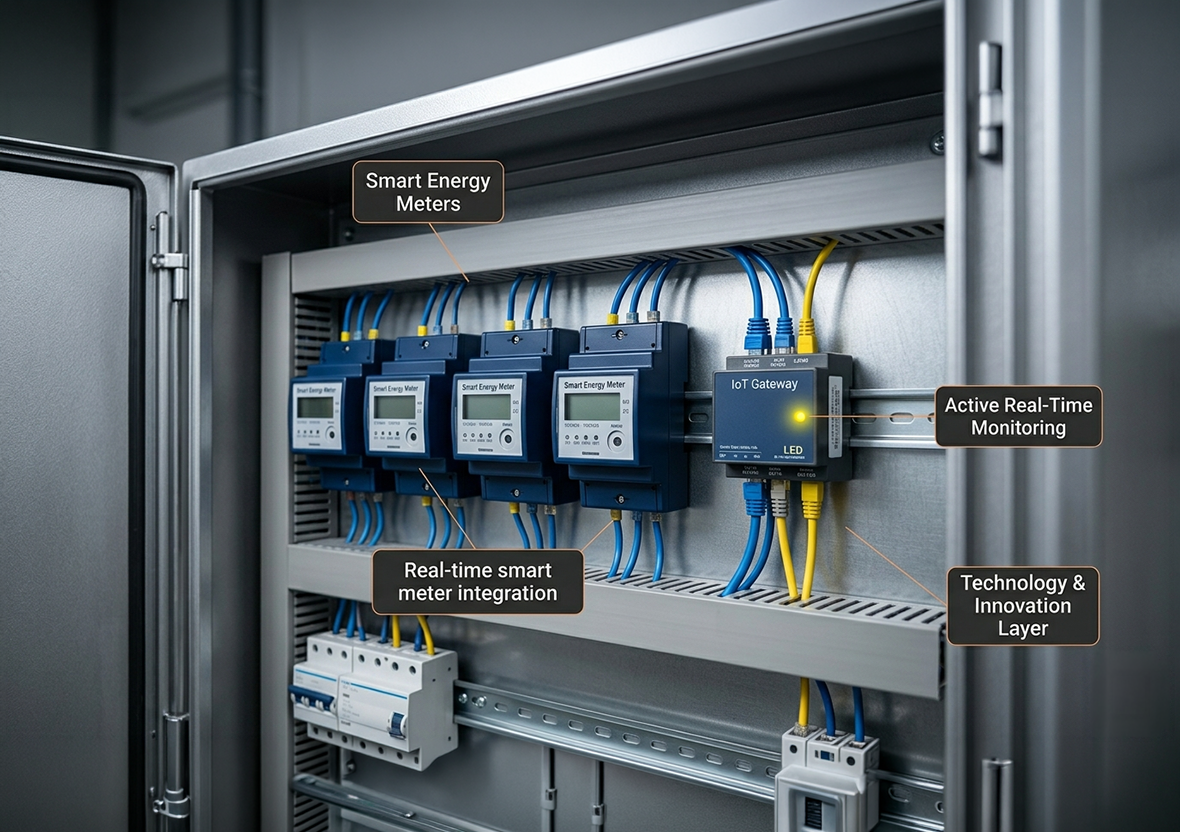
Yes. Combined with hybrid inverters (such as 5.5KW to multi-megawatt central units) and smart energy meters, PV systems seamlessly output operating metrics via Modbus RTU / RS485 or CAN-bus protocols into automated industrial SCADA platforms. This provides real-time visibility into PV generation, peak-shaving performance, battery state of charge (SoC), and facility load demand.
Global export projects receive full application engineering support, including string sizing, string inverter matching, system line diagrams, layout drawings, factory acceptance test (FAT) documentation, flash test reports per panel serial number, and remote commissioning assistance backed by complete warranty certificates.
Submit your system line diagram, project MW requirements, or bill of quantities (BOQ). Our application engineers will evaluate your load profile and respond with tailored hardware recommendations and factory-direct pricing.
Get a Quote