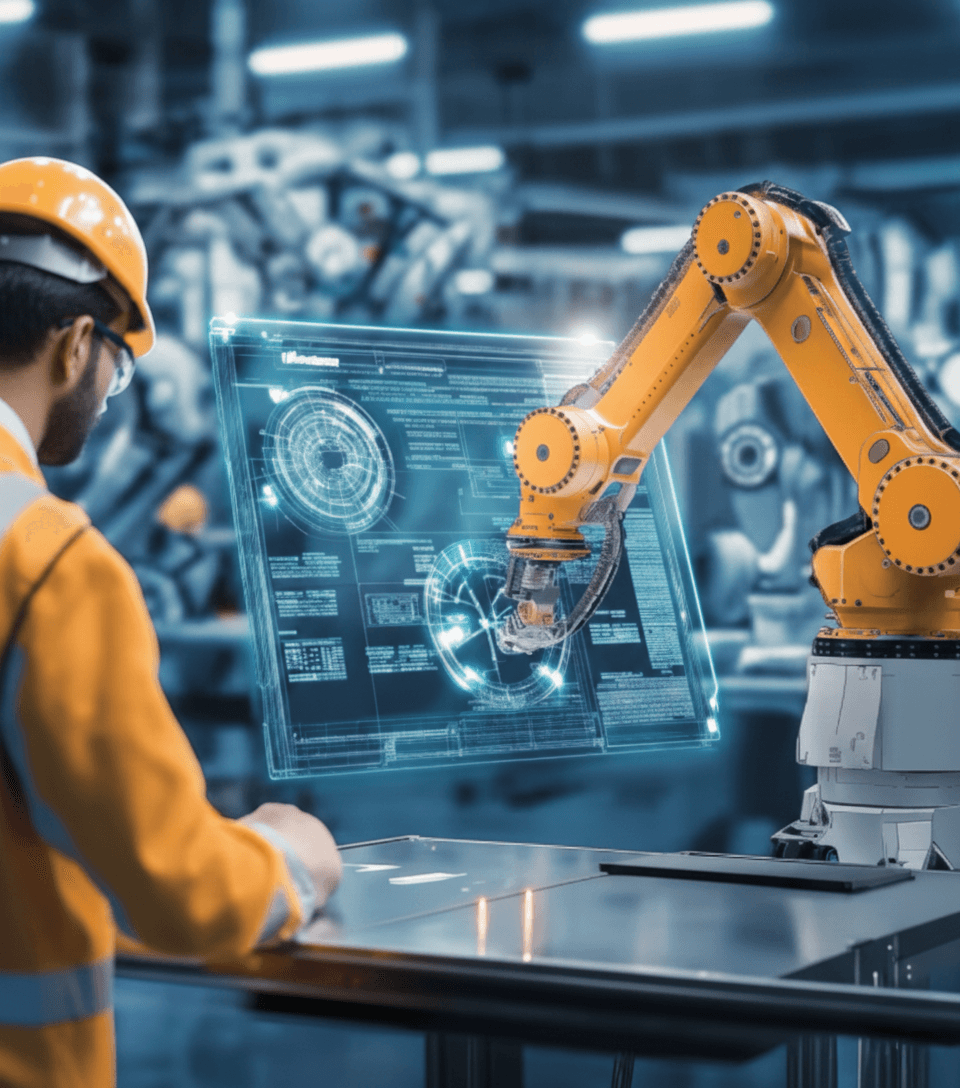
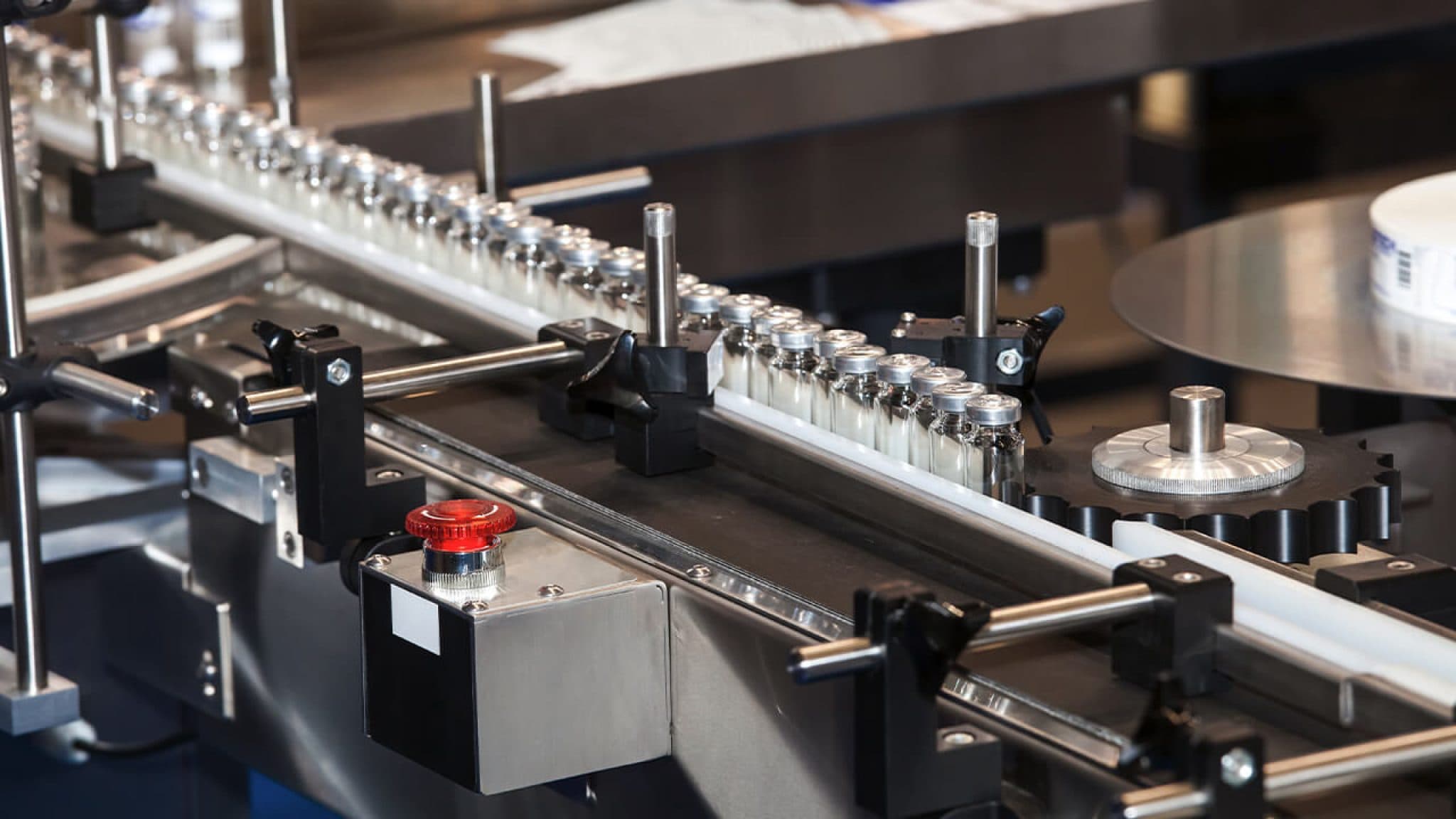
1. IoT-Enabled Condition Monitoring & Predictive Maintenance
Traditional preventive maintenance relies on fixed schedule intervals, often resulting in premature component disposal or unexpected catastrophic raceway failure. The next decade belongs to smart linear motion guides embedded with MEMS vibration sensors, micro-thermocouples, and magnetic displacement encoders directly within the runner block.
By measuring high-frequency velocity changes ($>10 \text{ kHz}$) and localized friction heat signatures, smart guideways stream real-time operational health data to edge PLC units or cloud SCADA platforms (such as Lubi Electronics' ControlX platform). Maintenance teams receive automated alerts when micro-spalling or lubricant depletion is detected, cutting unplanned downtime by up to 75%.
2. Sustainable Manufacturing & Carbon Neutral Sourcing
Global OEMs are under mounting pressure to reduce Scope 3 upstream supply chain emissions. Linear motion guides engineered with optimized structural ribbing deliver equivalent static stiffness while reducing raw steel mass by 15-20%. Furthermore, low-drag sealing systems lower eco-frictional resistance by up to 40%, directly translating to smaller servo motor sizing, lower energy draw, and diminished carbon footprints across automated production plants.
3. Modular Actuator Integration and Multi-Axis Standardization
Machine builders are moving away from sourcing separate linear rails, ball screws, motor mounts, and aluminum extrusions. Modern procurement favors pre-assembled single-axis and multi-axis linear modules (linear actuators) that combine high-precision linear motion guides with direct-drive linear motors or precision ball screws into a unified structural beam, drastically reducing OEM engineering design hours and assembly times.