Explore robust inverter architectures, precision motion controls, and integrated industrial driving units manufactured for continuous operation under severe electrical grid fluctuations.
A comprehensive analysis of grid interconnections, voltage ride-through specs, and altitude thermal management under South American environmental constraints.
 Argentine Solar Irradiance vs. Inverter Derating
Argentina presents one of the highest solar radiation profiles in the world, particularly in the Northwestern regions (Puna de Atacama across Jujuy, Salta, and Catamarca) where GHI exceeds 2,500 kWh/m² per year. However, high altitude operating environments (>3,500 meters above sea level) drastically reduce air density, impairing convection cooling mechanisms of standard inverter heatsinks.
Qualified OEM factories must engineer specialized thermal management paths—employing forced air cooling with variable-speed brushless fans or liquid cooling jackets—supplemented by high-clearance clearance distances on internal PCB traces to prevent electrical flashover under diminished atmospheric breakdown voltages.
 Regulatory Drivers: Ley 27.424 & Distributed Generation
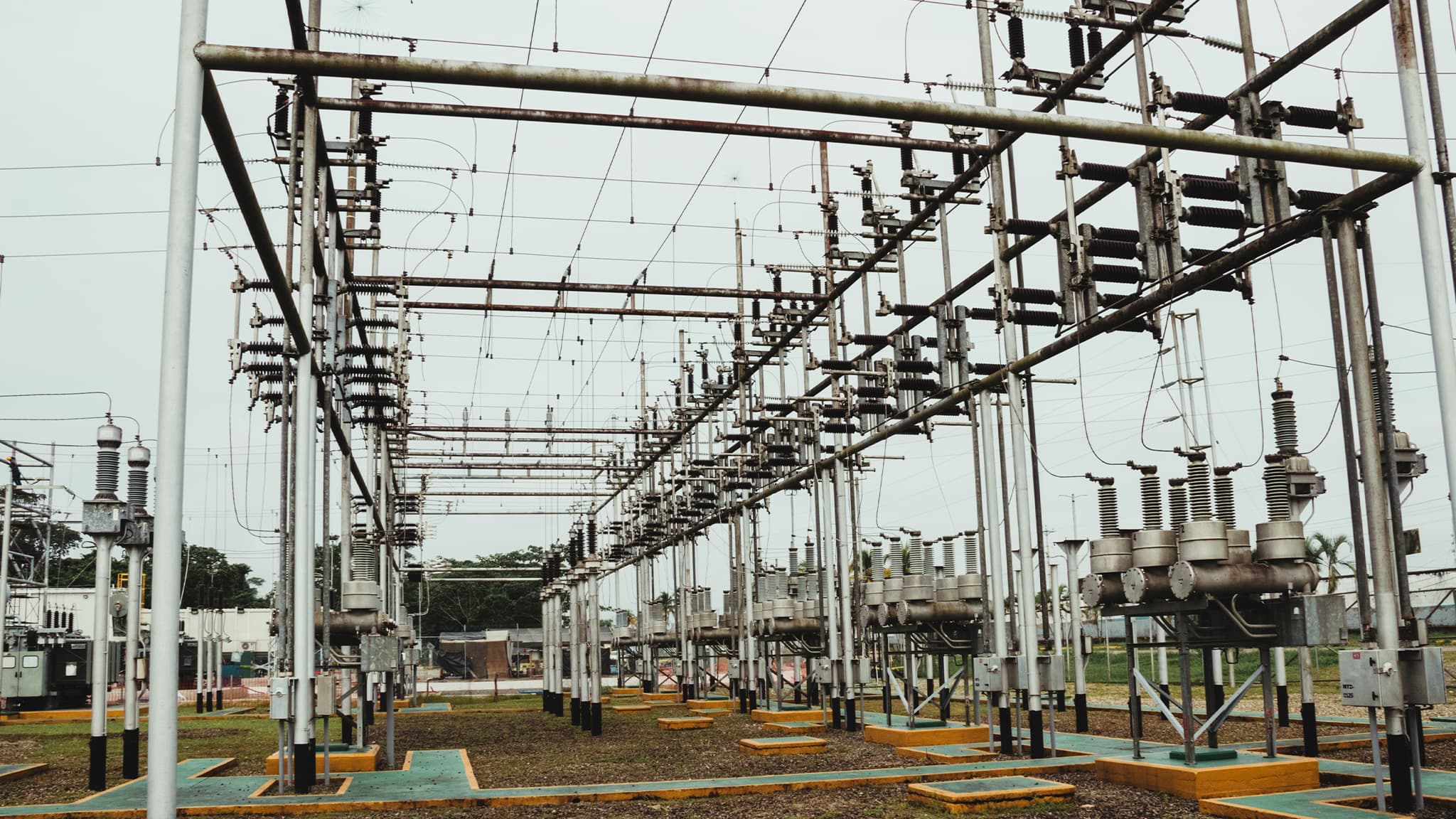
Under Argentina's Régimen de Fomento a la Generación Distribuida de Energía Renovable Integrada a la Red Eléctrica Pública (Law 27.424), commercial, industrial, and agricultural consumers are empowered to inject surplus solar energy into the distribution grid. Inverters specified for this market must support bidirectional power flow, net metering protocols, and fast dynamic grid stabilization.
Key technical requisites include programmable active power response to over-frequency events, reactive power control (Cos φ curve adjustment from 0.8 leading to 0.8 lagging), and integrated anti-islanding protection adhering strictly to IEC 62116 / IEEE 1547 standards to ensure lineman safety during SADI (Sistema Argentino de Interconexión) maintenance windows.

From high-altitude lithium extraction microgrids to agricultural irrigation and urban commercial rooftops, tailoring inverter architecture to regional demand is critical for bankability.

Remote mining operations in the Lithium Triangle depend on off-grid hybrid architectures. Inverters must interface seamlessly with diesel generator sets and Battery Energy Storage Systems (BESS), managing high peak inductive loads from crushing and pumping machinery while tolerating extreme daily temperature swings (-15°C to +40°C).

Wineries and intensive irrigation systems rely on three-phase solar pump drives and hybrid string inverters. Advanced variable frequency drive (VFD) solar pump algorithms reduce operational expenses by eliminating diesel generators during peak sun hours, incorporating soft-start features to extend motor lifespan.

Manufacturing plants and logistics hubs in major industrial belts deploy 50kW to 125kW string inverters to hedge against fluctuating grid tariffs. Features such as integrated AFCI (Arc Fault Circuit Interrupter) and remote zero-export controllers prevent unplanned grid trip-outs while complying with municipal safety standards.
Agricultural processing plants in Santa Fe and Buenos Aires province leverage high-power density string inverters paired with automated load management panels. These installations protect sensitive food processing lines against local grid voltage dips and scheduled load shedding.
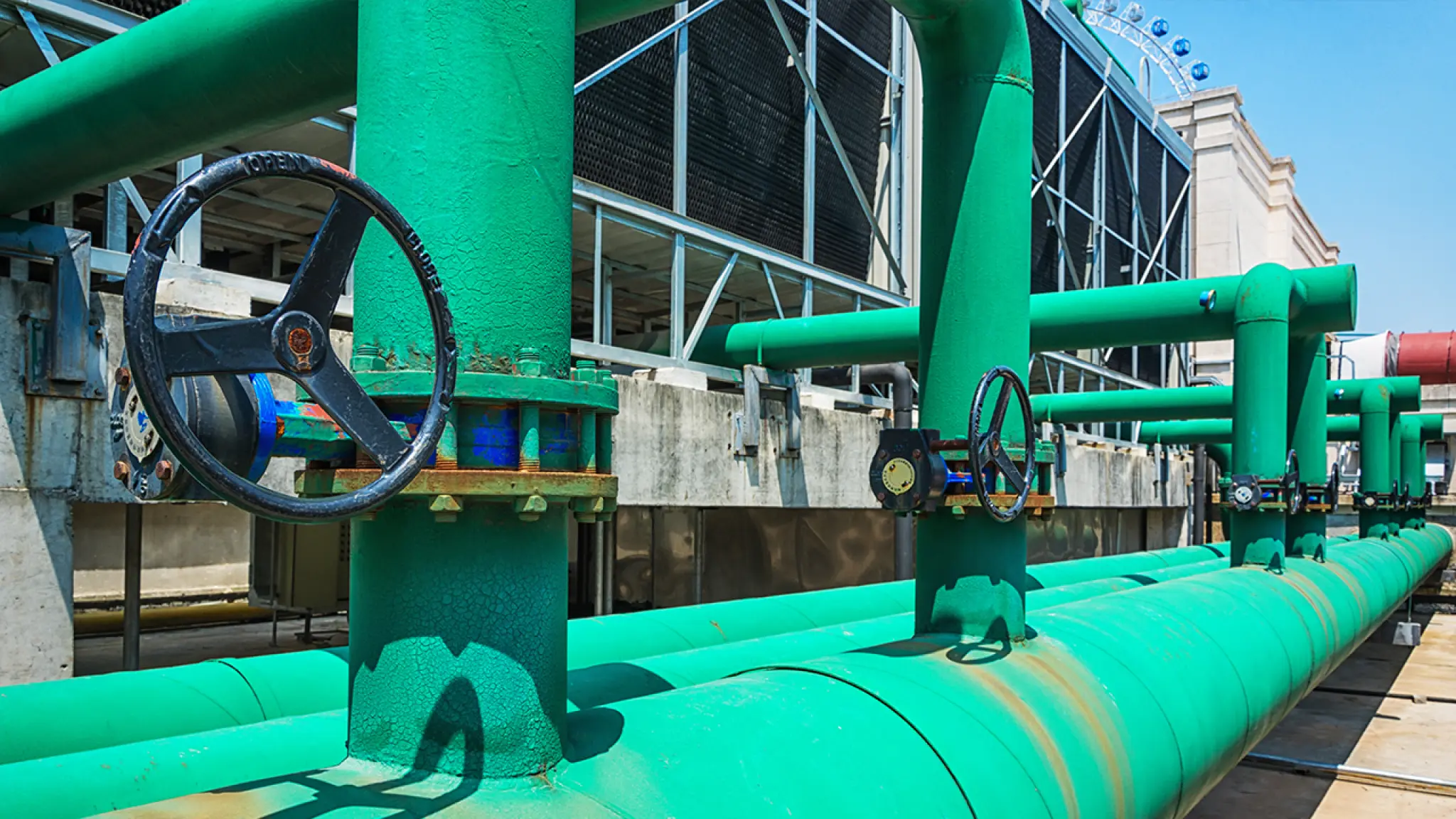
Combining CE-certified string inverters with type-tested low-voltage control panels allows industrial operators to monitor real-time power quality, harmonic distortion (THD < 3%), and power factor directly through RS485 / Modbus TCP connectivity linked to central SCADA systems.

Understanding currency risk management, technical compliance shifts, and the transition toward storage-ready hybrid systems.
Grid congestion on regional transmission feeders (especially along lines connecting the Cuyo and Comahue regions to Greater Buenos Aires) has accelerated interest in hybrid inverters. Commercial buyers are increasingly requesting high-voltage lithium battery compatibility (DC voltage ranges from 150V to 800V) to enable load shifting, peak shaving, and emergency backup capability during grid failures.
While CE marking (LVD 2014/35/EU, EMC 2014/30/EU) serves as the primary international baseline, Argentine distribution utilities require verified laboratory test reports proving compliance with IRAM 210013 standards. Factories providing turnkey documentation packages—including factory acceptance test reports (FAT), Certificate of Conformity (CoC), and pre-configured grid profiles—experience significantly faster clearance times through customs and utility connection approval.
Industrial rooftops across Argentina frequently feature varied tilt angles and localized shading from HVAC units or dust accumulation. Supplying inverters equipped with 4 to 10 independent MPPTs (Maximum Power Point Trackers) with wide operating voltage ranges (e.g., 180V–1000V) maximizes energy harvest while minimizing mismatch losses.
Engineers and procurement teams must evaluate hardware against regional environmental and grid parameters.
| Feature Parameter | Residential / Small Commercial | Commercial & Industrial (C&I) | Mining & Utility Scale |
|---|---|---|---|
| Typical Rated Power | 5 kW – 15 kW (Single/3-Phase) | 30 kW – 125 kW (3-Phase) | 250 kW – 4.4 MW (String/Central) |
| CE Directives Complied | EN 62109-1/-2, EN 61000-6-1/-3 | EN 62109-1/-2, EN 61000-6-2/-4 | EN 62109-1/-2, IEC 62116, IEC 61727 |
| Altitude Derating Margin | Standard up to 2,000m ASL | De-rated design up to 3,000m ASL | Custom high-altitude design (>4,000m ASL) |
| Ingress Protection (IP) | IP65 (Outdoor installation) | IP66 (Dust & heavy rain tight) | IP66 / NEMA 4X with C5 Anti-Corrosion |
| Grid Interface Protocol | Modbus RTU / Wi-Fi / Ethernet | Modbus TCP / RS485 / SunSpec | IEC 60870-5-104 / DNP3 / Fiber Optic |
| Cooling Topology | Natural Convection / Passive | Smart Forced Air (Speed Controlled) | Redundant Fan Array / Liquid Cooled |
Ensuring long-term reliability in South American markets demands complete control over component sourcing, assembly, and automated test protocols.
Automated SMT lines with 3D Automated Optical Inspection (AOI) ensure precision solder joint integrity on power driver boards, preventing premature field failures caused by vibration during transport across unpaved regional routes.
Every inverter unit undergoes a rigorous 48-hour full-load elevated temperature burn-in cycle inside environmental test chambers to eliminate early-life electronic component mortality prior to packing and sea transport.
Beyond raw inverter units, providing pre-wired, type-tested low-voltage switchgear (TTA) and AC/DC combiner boxes built to IEC 61439 standards streamlines on-site commissioning for Argentine engineering procurement contractors (EPCs).
Direct answers addressing technical compliance, customs documentation, warranty logistics, and local operational support.
CE certification (covering Low Voltage Directive and EMC Directive) provides the foundation for customs entry. However, to connect legally under Law 27.424, local distribution utilities (such as EDENOR, EDESUR, EPEC, or EPEN) require proof that inverter grid-protection parameters (voltage/frequency trip points, re-connection delay times) match local grid codes. Suppliers must provide factory test reports and editable firmware settings to allow compliance declaration.
Standard solar inverters undergo thermal rating at sea level up to 2,000 meters. Above 2,000 meters (such as Jujuy or Salta), internal air cooling efficiency drops significantly. Buyers should request altitude-derating curves and verify that the factory warranty covers high-altitude installations when equipped with external fan kits or upgraded thermal dissipation hardware.
Due to import processing timelines into Argentina, distributors and project developers are advised to maintain critical spare components locally. Essential spares include modular power boards, main control PCBA units, replacement DC isolator switches, surge protection devices (Type II AC/DC SPDs), and quick-swap fan assemblies.
Yes. CE-certified inverters engineered with wide AC voltage tolerance bands (-20% to +15%) and adjustable frequency trip limits (45Hz–65Hz) handle severe rural voltage sags without disconnecting. For off-grid or microgrid modes, inverters equipped with frequency-watt droop control can synchronize seamlessly with auxiliary diesel generators.
Factories exporting to Argentina must provide a complete shipping pack comprising the Commercial Invoice, Packing List with accurate NCM (Harmonized System) tariff codes, Certificate of Origin, CE Declaration of Conformity, and ISO 9001 quality system certificates signed by an accredited registrar.
Inverters feature dual communication ports supporting Modbus RS485 and Ethernet/Wi-Fi/4G cellular dongles. Monitoring portals aggregate power yield, battery state of charge (SoC), and diagnostic fault codes, transmitting alerts via cloud dashboards to off-site maintenance teams.
Request complete product catalogs, factory test reports, engineering datasheets, and OEM volume pricing tailored for Argentine distributors and EPC contractors.